
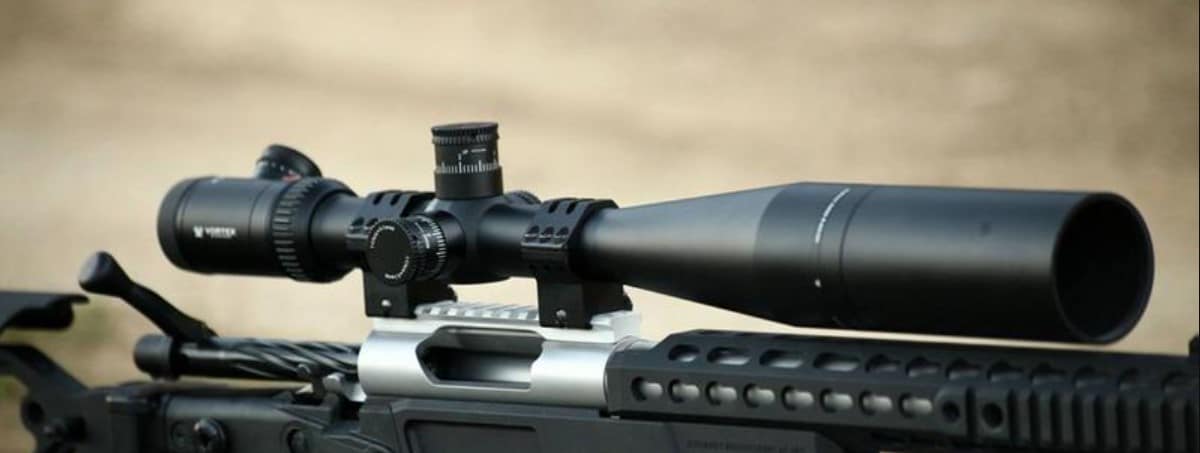
If you spend any time in long-range forums, you already know this scope by reputation. Somebody posts that they’re getting into precision shooting on a working budget, and within three replies the Viper PST Gen II 5-25×50 shows up as the answer. It has been the default mid-tier first-focal-plane recommendation for years, and that kind of consensus makes me suspicious. Scopes that everyone agrees on usually have a story nobody bothers to tell anymore.
So I put one on a precision rifle and ran it the way the people buying it actually shoot: dialing for distance, reading wind off the reticle, building dope across a few sessions in mixed weather. I went in with two questions. Does the glass and the tracking deserve the reputation, and are the warranty stories you read on forums a real pattern or just the loud minority every popular product collects? Answers below.
Vortex Viper PST Gen II 5-25×50 Review
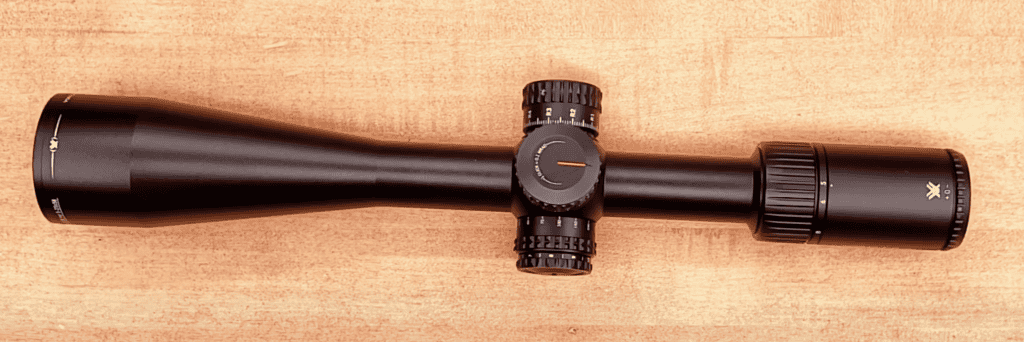
I mounted it on a Bergara B-14 HMR in 6.5 Creedmoor, zeroed at 100 yards with Hornady 140gr ELD Match, and started building a dope card across about four range trips. The Bergara is a heavy-barreled precision rifle that a lot of people buy alongside exactly this scope, so the pairing felt honest rather than contrived.
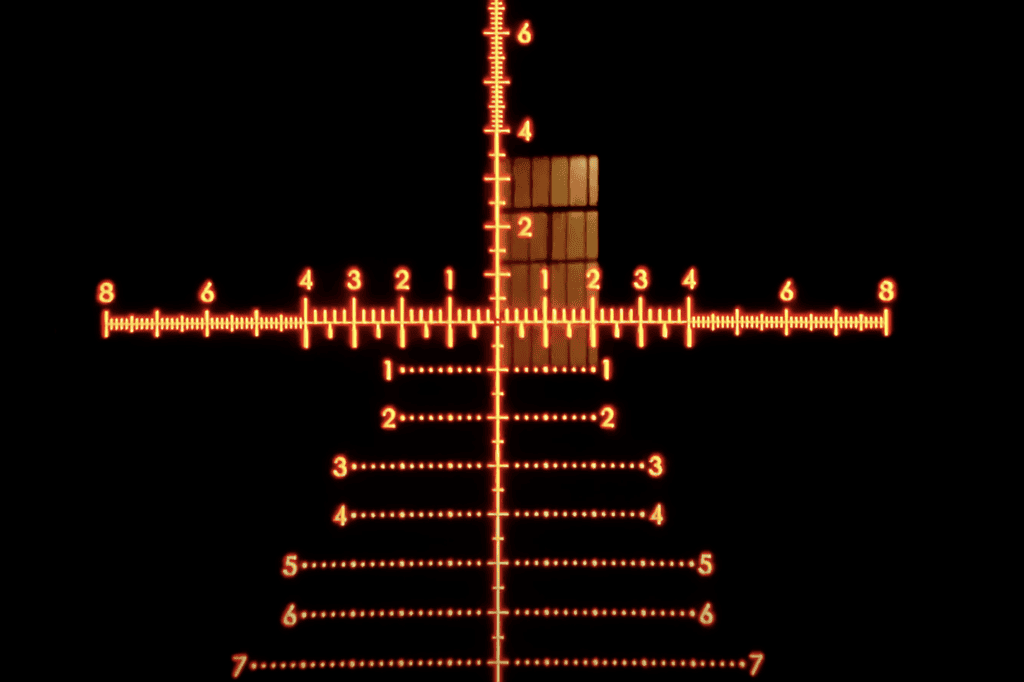
The EBR-7C is the feature that justifies the first focal plane
Plenty of scopes are first focal plane because the spec sheet demands it. This one actually uses the layout. The EBR-7C is a busy reticle, and on a hunting optic I’d find it cluttered, but for ranging and wind holds it’s exactly what a first-focal-plane design is supposed to deliver. About two hours into the first session I stopped dialing for wind entirely and started holding off the hash marks, and the corrections landed where the reticle said they would. The subtensions stay true at any magnification because they grow and shrink with the image, which is the whole point of paying the first-focal-plane tax in the first place. The downside is the one every FFP shooter knows: crank down to 5x and the reticle gets thin and small. For a quick low-power shot it’s not ideal, but nobody buys a 5-25×50 to shoot it at 5x.
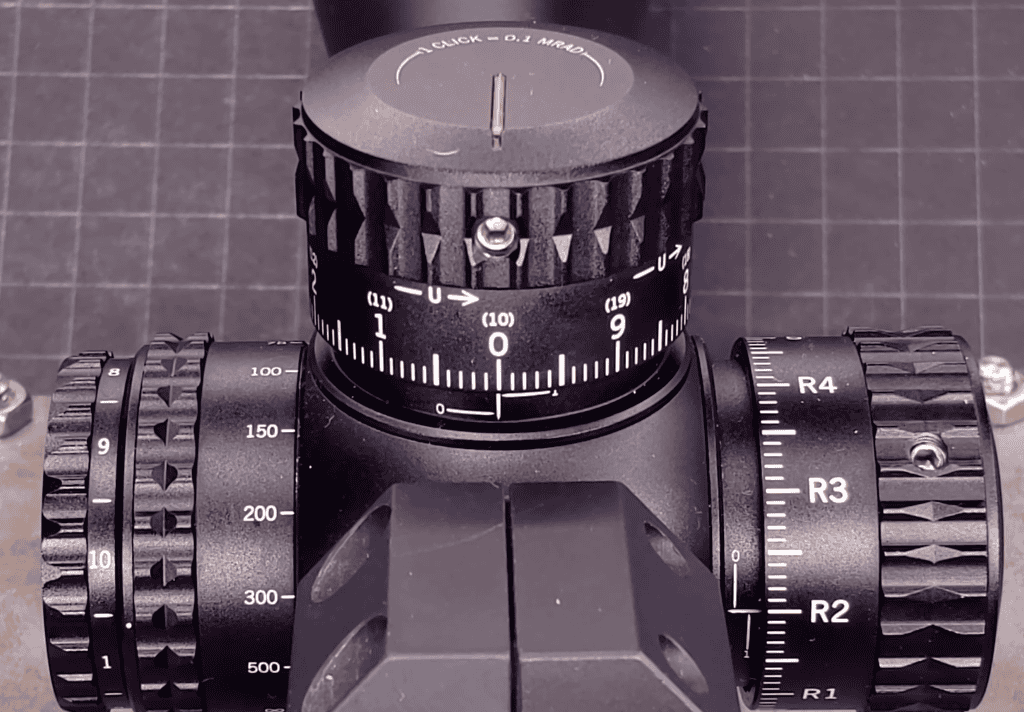
Dialing the RZR zero stop earns its keep
The turrets are where Gen II separated itself from the original, and the upgrade shows. One cold morning I was dialing up to a steel plate well out there, came back down, and the RZR zero stop dropped me right onto my 100-yard zero with a positive thunk I could feel through my glove. I caught myself doing it without looking, which is the highest compliment I can pay a turret. The clicks are tactile and audible, 0.1 MRAD each, and across the whole testing stretch I never lost count or second-guessed where I was in the rotation. After a hard return to zero I’d glance down to confirm and it was simply there, every time.
Where the parallax stories come from
I went in having read the forum threads, including one shooter who had parallax drift out of focus on a hard-recoiling magnum after about eighteen rounds. So I watched for it deliberately. On the 6.5 Creedmoor it never happened. I ran a string well past that round count on a warm afternoon, checking the side focus between groups, and the image stayed crisp from the 25-yard floor out to distance. My read is that those reports cluster around heavy magnum recoil rather than describing the scope’s behavior on the chamberings most people actually mount it on. The side focus itself was smooth and the parallax floor at 25 yards is genuinely useful if you ever want to run it on a rimfire trainer.
Twenty-five power and the mirage tax
The glass is good. Not premium-tier good, but clearly a step above what the mid-tier usually hands you, with edge-to-edge clarity that holds up and color that doesn’t go flat in shadow. The honest limitation is the top of the magnification range. On a hot afternoon I dialed to the full 25x to read a distant plate and the mirage boiled so badly the target swam. I backed off to around 20x and the picture settled and sharpened. That’s physics more than a fault of the scope, but it means 25x is a number you’ll use in good light and morning calm, not a setting you’ll live at. The low-light performance from the 50mm objective was respectable into dusk, and the illumination helped the reticle pop against dark timber, though in bright daylight even the top illumination setting washes out against a sunlit target.
Pulled together, this is a scope that does the precision-shooting fundamentals genuinely well: it tracks, it holds zero, the reticle works, and the glass is honest for the money. The reservations are about the top end of its range and, more importantly, about whether the copy you receive performs like the one I tested.
How I Put This Precision Scope Through Its Paces
The setup was a Bergara B-14 HMR in 6.5 Creedmoor running Hornady 140gr ELD Match, chosen because that’s a realistic precision package a buyer at this tier actually assembles. I wanted the rifle to be capable enough that any accuracy ceiling was the shooter or the scope, not the gun. Testing ran across four sessions in changeable spring weather, from a cold still morning to a warm breezy afternoon, on a range with steel out to long distance, somewhere in the neighborhood of 400 rounds total. I confirmed zero each session and ran a tracking box test to verify the turrets returned true.
What I cared about going in was less whether this scope is good and more where exactly the mid-tier first-focal-plane category cuts its corners, because that’s the question a buyer at this price is really asking. The pattern I’ve seen testing precision optics in this bracket is that they rarely fail on tracking or glass anymore; the tier has gotten good at those. Where they vary is in copy-to-copy consistency, and the Viper PST line is the textbook case. Hold a few of these against the tier’s polished competitors and the spec sheets nearly match; the difference that actually separates them is how confident you can be that the unit in the box matches the reviews. That is the lens I evaluated this through, and it’s why I leaned on the tracking box and the parallax check rather than just admiring the glass.
You can read the full testing methodology for how I structure those checks across sessions.
Performance Ratings
Field Test Data
| Test Parameter | Result |
|---|---|
| Best 5-shot group, 100 yds (bipod, rear bag) | 0.6 inches |
| Tracking box test (5 MRAD square) | Returned to zero, no measurable drift |
| Zero retention over ~400 rounds | Held; no shift between sessions |
| Parallax check past 18-round string (warm conditions) | Image stayed crisp; no drift on 6.5 Creedmoor |
| Usable magnification in afternoon mirage | Roughly 20x before image degraded at 25x |
| Illumination visibility | Strong at dusk; washed out against sunlit targets |
Tested with: Bergara B-14 HMR | 6.5 Creedmoor | Hornady 140gr ELD Match
What to Look At If the Consistency Question Bothers You
The reason to cross-shop this scope isn’t price; the field is crowded at this tier. It’s the copy-to-copy variability. If that concern outweighs the warranty safety net for you, a few options solve it differently.
The Athlon Ares ETR is the most direct alternative. A larger objective and a 34mm tube give it more internal elevation travel and a bit more light, so if you found the 30mm tube’s adjustment range limiting for the longest shots, the Ares answers that specific gap while sitting in the same money.
The Burris XTR III leans toward the shooter who wants the most refined turret and tracking experience at this level and is willing to pay slightly up for it. If the thing you care about most is mechanical confidence out of the box, it’s worth the look.
And if you like the Vortex ecosystem and the warranty but want the newer design, the Vortex Viper HD 5-25×50 is lighter with push-button illumination and capped windage. It’s the pick if you’re leaning more toward field and hunting use than dedicated dialing, where the PST Gen II’s exposed turrets are more scope than you need.
Common Questions About the Viper PST Gen II 5-25×50
What changed from the Gen I to the Gen II?
The Gen II widened the magnification range, upgraded to the EBR-7C reticle, added the RZR zero stop, and integrated the illumination dial into the side focus. The turret feel and reticle are the most noticeable improvements in actual use.
Should I get the MRAD or MOA version?
This variant is MRAD with the EBR-7C reticle, and that’s the one I’d steer most precision shooters toward. Pick whichever system you already think in; mixing units between your reticle and your dope is where mistakes happen. Don’t buy MOA just because it sounds familiar.
Are the warranty stories a real concern?
There’s a genuine pattern of copy-to-copy variability with this line, more than with some competitors. The flip side is Vortex’s VIP warranty, which is unconditional and fast. Inspect and test your unit early so any defect gets caught inside your first sessions, not on a hunt.
Will it hold up on a hard-recoiling magnum?
Most parallax-drift reports cluster around heavy magnums. On standard precision chamberings like 6.5 Creedmoor or .308 it’s a non-issue in my testing. If you’re mounting it on something with serious recoil, that’s the scenario where I’d test most aggressively before trusting it.
Is 25x actually usable?
In good light and calm air, yes. In afternoon heat the mirage will push you back toward 20x or so. That’s true of most scopes at this magnification, not a flaw unique to this one.
Disclosure
This review reflects my own hands-on testing and honest assessment. This article may contain affiliate links, and a purchase made through them can earn the site a commission at no extra cost to you. Those relationships do not influence the evaluation or the rating; the scope was judged on how it performed in the field.
The Verdict: A Genuine Precision Value With One Box to Check
The Viper PST Gen II 5-25×50 earned its reputation honestly. The tracking is confident, the RZR zero stop returns by feel, the EBR-7C actually exploits the first focal plane, and the glass is a real step above the mid-tier average. For a shooter getting into precision work on a sensible budget, very little at this price delivers this combination of turret quality and usable reticle.
The one reservation is consistency, not capability. This line varies more from copy to copy than its best competitors, so the smart move is to inspect and run yours hard early, when the VIP warranty can still do its job painlessly. Do that, mount it on a standard precision chambering rather than a hard magnum, and you’ve got a scope that will outlast your interest in upgrading. Buy it, test it like you mean it in the first month, and the reputation will hold up for you the way it held up for me.
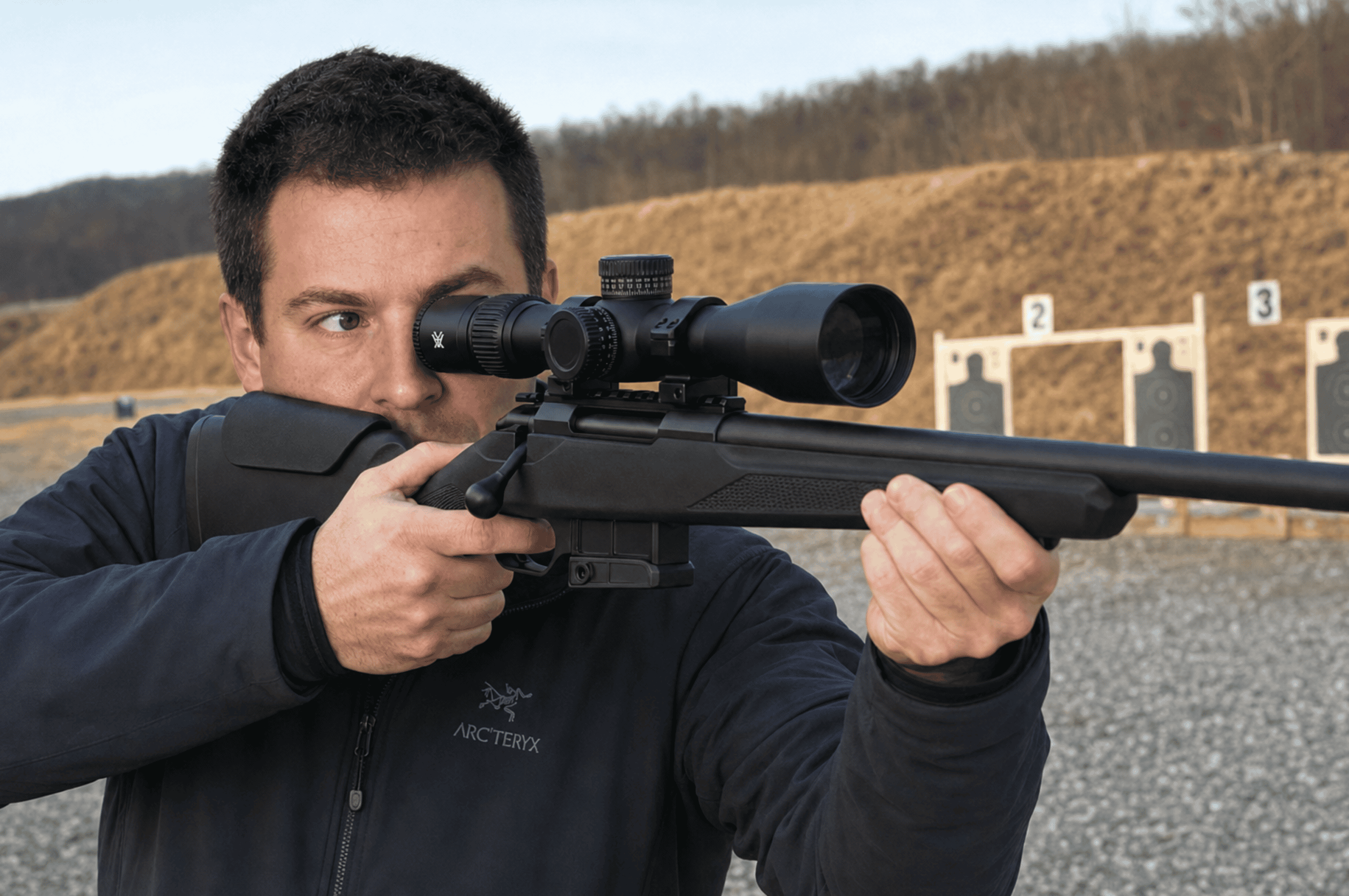
Mike Fellon is the founder of ScopesReviews and an optics specialist with 15+ years in precision shooting. A former Bass Pro Shops firearms advisor and NRA-certified instructor, he’s hands-tested 200+ rifle scopes across hunting and competition. Based in Dallas, Texas.