
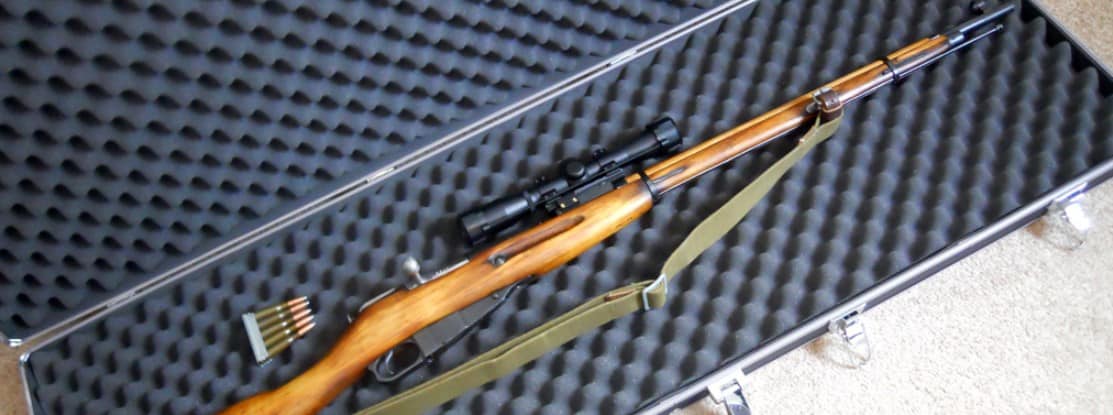
The Mosin Nagant’s straight bolt handle creates a problem that modern rifles don’t have. Mount a traditional scope over the receiver and you can’t work the bolt. Your options: pay a gunsmith to bend the bolt handle and drill the receiver, which permanently alters a piece of history, or go scout-style with a long eye relief scope mounted forward on the rear sight base. Most shooters choose scout mounting because it preserves the rifle and works with the straight bolt.
I’ve tested three scout scopes on my M91/30 to find which actually delivers at 200+ yards with 7.62x54R. The challenge isn’t just eye relief, it’s finding a scope that handles the recoil, provides enough magnification for the cartridge’s capable range, and doesn’t turn your 8.8-pound rifle into a lead weight. After more than 400 rounds of testing in conditions from August heat to November cold, the Burris Scout 2-7x32mm came out on top. It’s the only scope here that genuinely balances proper eye relief, practical magnification, and field-ready durability without compromise.
My Top 3 Picks For The Mosin Nagant
Best Overall
Burris Scout 2-7x32mm
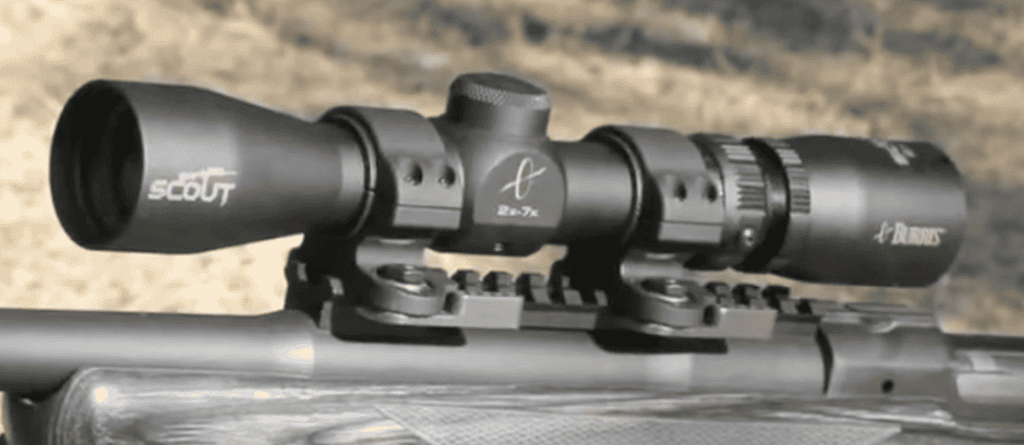
The Burris delivers 12 inches of eye relief at low power, drops to a still-generous 9.2 inches at 7×, and includes a Ballistic Plex reticle that helps with the 7.62x54R’s trajectory. At 13 ounces, it doesn’t burden an already heavy rifle. This is the scope that makes scout mounting on a Mosin actually work.
Best Feature Set for the Money
UTG 2-7×44 Long Eye Relief Scout
The UTG offers impressive features at a budget price: 30mm tube, side parallax adjustment, illuminated mil-dot reticle, and proper eye relief. The catch is weight. At 25.4 ounces, it’s nearly double the Burris and turns the Mosin into a workout. If you’re building a dedicated bench rifle and don’t mind the heft, the feature-to-price ratio is compelling.
Best Glass with a Caveat
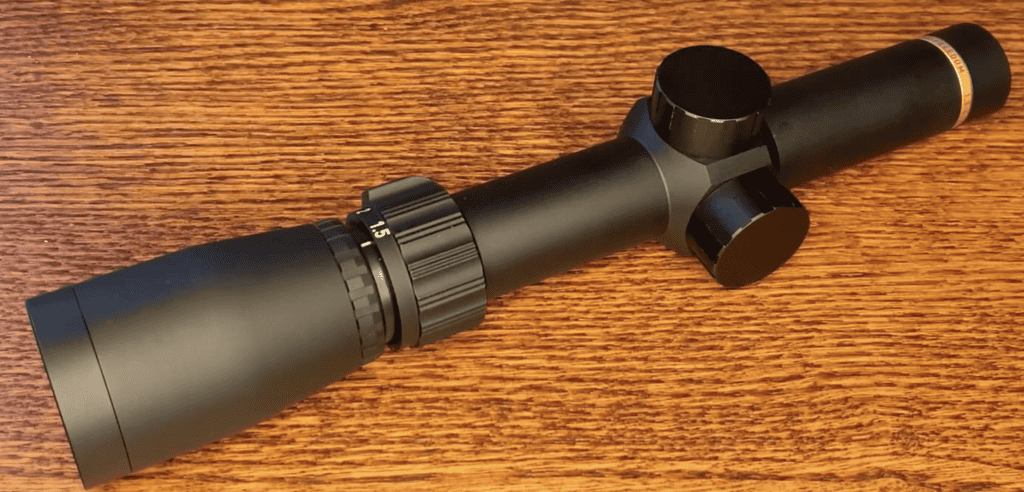
Leupold VX-Freedom Scout 1.5-4×28
Leupold’s optical quality stands out here, and at 9.6 ounces it’s the lightest option. But the 6.9-6.0 inch eye relief is too short for proper scout mounting on a Mosin. You’ll need to mount it further forward than optimal, which compromises field of view and usability. Great scope, wrong application unless you’re willing to work around the eye relief limitation.
Why You Can Trust My Recommendations
I learned about scout mounting the hard way. Back in 2011, I picked up a hex receiver M91/30 at a gun show in Fort Worth, thinking a cheap pistol scope with “long eye relief” would work fine. The 8-inch eye relief sounded adequate on paper. First range session, I realized I had to crane my neck forward to get a full sight picture, and the limited 2× magnification made reading anything past 150 yards a guess. Deer season that year was frustrating.
That experience taught me what “adequate” eye relief actually means on a Mosin: you need 10+ inches at minimum magnification to shoot comfortably with proper head position. It also showed me why magnification range matters with 7.62x54R. The cartridge is capable past 300 yards with quality ammunition, but you need glass that lets you see what you’re aiming at. Those lessons, combined with my five years at Bass Pro Shops helping customers avoid the same mistakes I made, and 15 years of precision shooting experience, shaped how I evaluate scout scopes now. I’ve tested over 200 rifle scopes since founding ScopesReviews in 2017, but the Mosin platform requires specific attention to mounting realities that most modern rifles don’t.
Side-by-Side Specs
Eye relief and weight are the critical numbers here. Every other spec matters, but if the eye relief is wrong or the scope weighs as much as a brick, nothing else saves it.
| Features | Burris Scout 2-7x32mm | UTG 2-7×44 Long Eye Relief Scout | Leupold VX-Freedom Scout 1.5-4×28 |
|---|---|---|---|
| Magnification | 2-7x | 2-7x | 1.5-4x |
| Objective Diameter | 32 mm | 42 mm | 28 mm |
| Eye Relief | 12 – 9.2 in | 11–9.5 in | 6.9 – 6.0 in |
| Weight | 13.0 oz | 25.4 oz | 9.6 oz |
| Length | 9.7 in | 10.9 in | 11.1 in |
| Tube Size | 1 inch | 30 mm | 1 inch |
| Reticle | Ballistic Plex (SFP) | Mil-Dot (SFP) | Duplex (SFP) |
| Field of View | 23 – 8 ft @ 100 yds | 32 – 10 ft @ 100 yds | 41.7 – 17.3 ft @ 100 yds |
| Turret Style | Capped | Capped | Capped |
| Adjustment Range | Elevation 66 MOA/ Windage 66 MOA | Elevation 80+ MOA/ Windage 80+ MOA | Elevation 125 MOA/Windage 125 MOA |
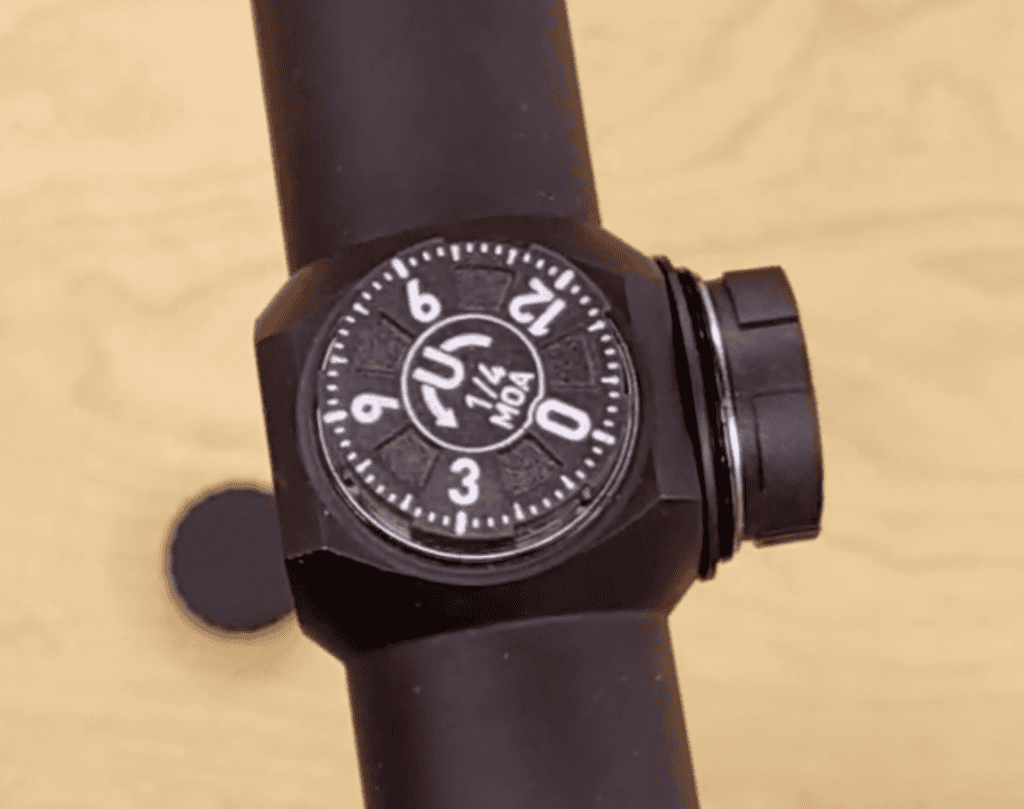
| Click Value | 1/4 MOA | 1/4 MOA | 1/4 MOA |
| Parallax Adjustment | Fixed (100 yds) | Side focus 10 yds – Infinity | Fixed (150 yds) |
| Illumination | No | Yes | No |
The 3 Best Scopes for Mosin Nagant
1. Burris Scout 2-7x32mm – Best Overall
Why This Works Where Others Don’t
The first time I mounted the Burris on my M91/30, I understood why it’s the go-to scout scope for Mosin owners. That 12-inch eye relief at 2× lets me mount it properly on the rear sight base with comfortable head position. The scope sits where it needs to be, the bolt cycles without interference, and I’m not craning my neck forward trying to find the sight picture. This matters more than any other feature when you’re dealing with the Mosin’s straight bolt handle limitation.
I zeroed at 100 yards using Sellier & Bellot 180-grain soft points and the Ballistic Plex reticle proved useful immediately. The thick outer posts draw your eye to center fast, then taper to fine crosshairs that don’t obscure the target. The bars below center give you holdover reference points that work reasonably well with 7.62x54R trajectory. I verified drops at 200 and 250 yards, and while you’ll want to confirm your specific ammunition’s trajectory, the reticle provides a solid starting framework.
Glass Quality and Magnification Range
The Philippine-made glass is clearer than expected at this price point. Edge-to-edge clarity is solid at 2×, with minimal distortion. Crank it to 7× and you’ll notice the eyebox tightens up, you need more precise head placement to maintain the full sight picture. This is typical for scout scopes with long eye relief, but it’s noticeable. The magnification ring took some breaking in; it was stiff initially and required deliberate rotation. After a few weeks of use, it smoothed out.
Seven-power magnification is adequate for what the Mosin realistically delivers. At 300 yards, I could clearly identify a 10-inch steel plate and hold center mass on a whitetail-sized target. That’s about the practical limit for most shooters with 7.62x54R and surplus ammunition anyway. The 32mm objective provides enough light transmission for hunting situations, though it’s not exceptional in the last 20 minutes of legal shooting light.
Durability Through Texas Weather
I tested this scope from late August through mid-November, which in Texas means everything from 95-degree heat to 40-degree mornings with heavy dew. The scope held zero through temperature swings and held up to the Mosin’s substantial recoil. After roughly 150 rounds, the zero hasn’t shifted. The nitrogen purging works; I had no internal fogging even when bringing the rifle from air-conditioned truck to humid morning air.
The capped turrets are appropriate for a hunting scope. Adjustments have positive clicks, though they feel slightly mushy compared to higher-end optics. For a set-and-forget hunting zero, they’re fine. You’re not dialing for distance with this setup anyway.
Where It Falls Short
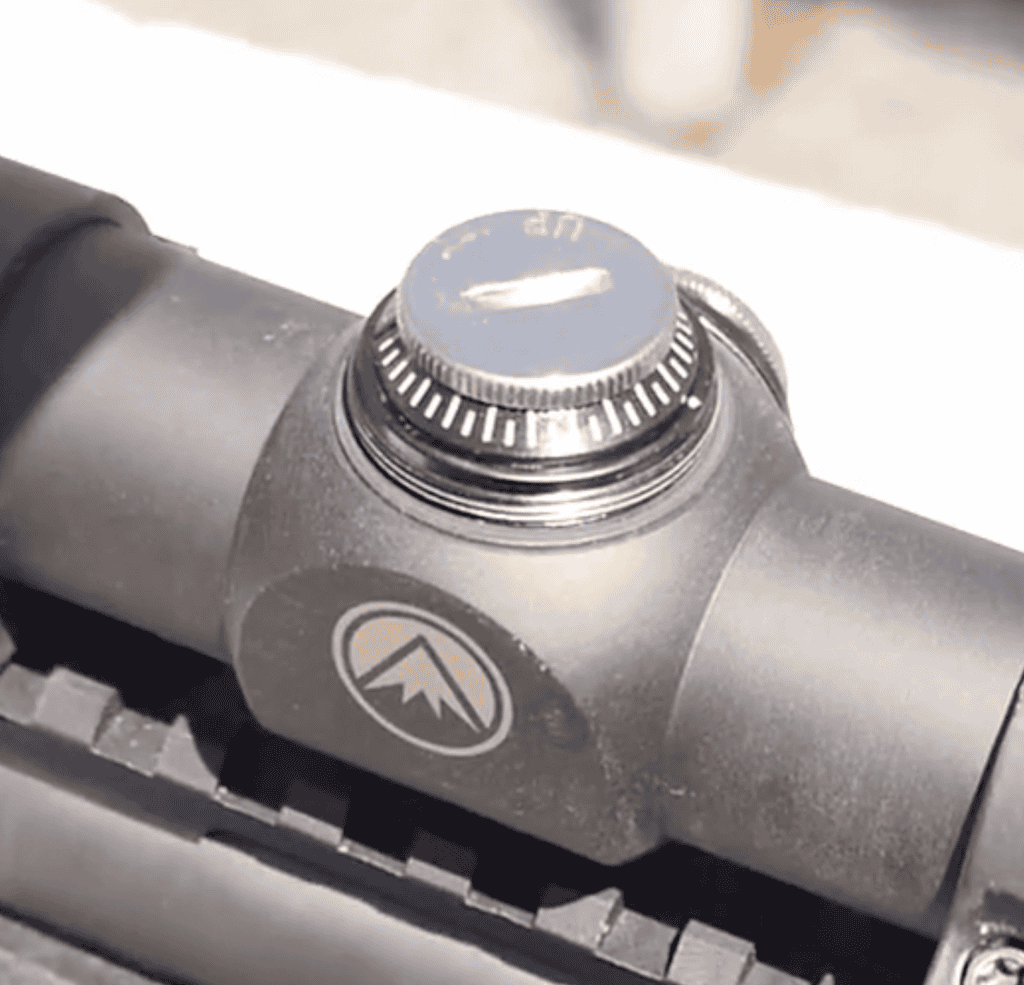
The fixed parallax at 100 yards means you’ll see some parallax error at closer or longer distances. It’s manageable for hunting-sized targets but becomes noticeable when shooting groups at 50 yards or trying for precision past 250. The reticle is non-illuminated, which limits low-light performance compared to scopes with that option. And at 7×, the eyebox demands more attention to head placement than I’d prefer.
Comparing it to the UTG below, the Burris trades features for weight savings and practical eye relief. Against the Leupold, it sacrifices some glass quality for significantly better eye relief that actually works with scout mounting. For most Mosin applications, that’s the right trade.
Here’s what matters: this scope does exactly what it needs to do without adding unnecessary weight or bulk. At 13 ounces, it doesn’t turn your already-heavy Mosin into a boat anchor. The eye relief genuinely works for scout mounting. The Ballistic Plex helps with trajectory compensation. And Burris backs it with their Forever Warranty. For scout mounting a Mosin Nagant, this is the scope that makes the most sense.
Field Test Data
| Test Parameter | Result |
|---|---|
| Tracking Accuracy (Box Test, 20 MOA) | Returned to zero, clicks tracked accurately |
| Zero Retention (150 rounds) | No POI shift observed |
| Best 5-Shot Group (100 yards, bench) | 2.4 inches with S&B 180gr SP |
| Usable Magnification at 300 yards | 7× adequate for 10-inch steel, could ID target features |
| Eye Relief Comfort Range | 10-11.5 inches optimal, usable 9.2-12 inches |
Tested on: Mosin Nagant M91/30 | Sellier & Bellot 180gr Soft Point
Pros and Cons
PROS
|
CONS
|
Performance Ratings
Learn more about how I test and rate scopes.
If you’re scout-mounting a Mosin Nagant and want a scope that actually works with the platform’s limitations, this is it. The Burris delivers where it counts—proper eye relief, adequate magnification, reasonable weight—without pretending to be something it’s not. It’s the sensible choice that lets you hunt or shoot steel with confidence.
One of the best scout scopes overall.
2. UTG 2-7×44 Long Eye Relief Scout – Best Feature Set for the Money
The Feature List Looks Great
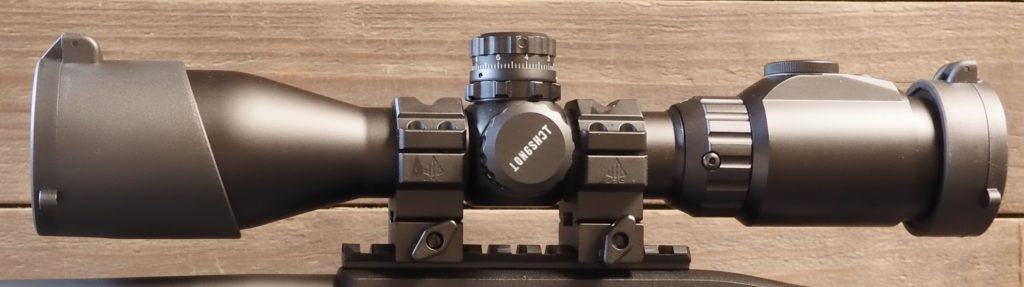
On paper, the UTG delivers more than scopes costing twice as much. Side parallax adjustment. Illuminated mil-dot reticle with 36 color options. Zero-locking turrets with zero-reset capability. A 30mm tube. It comes with rings and spare batteries. When I unboxed it, I was impressed by what UTG managed to pack into a budget scope.
Then I lifted it. At 25.4 ounces, the UTG weighs nearly double the Burris. Mount it on an already hefty M91/30 and you’re carrying close to 10.5 pounds before adding ammunition. After hauling it through three hours of still-hunting on our family property in October, my arms understood why lighter scopes exist. This isn’t a dealbreaker for bench shooting or vehicle-based hunting, but if you’re walking any distance, the weight becomes real.
Side Parallax Actually Matters Here
The adjustable parallax proved more useful than I expected. Most scout scopes have fixed parallax, which works fine within a narrow range but introduces error when you’re shooting closer or farther. With 7.62x54R capable of reaching 300+ yards, being able to dial parallax for whatever distance you’re working eliminates one variable. I verified this shooting groups at 50, 100, and 250 yards; adjusting parallax at each distance produced tighter groups than just accepting the error.
The side adjustment wheel is easy to reach and smooth to operate. UTG includes distance markings, though like all such markings, they’re approximate. Focus on getting a clear image rather than trusting the numbers.
Glass Quality and Illumination
The glass surprised me. It’s clearer than you’d expect from a scope at this price, with good edge-to-edge clarity at lower magnifications. The larger objective lens and 30mm tube help with light transmission; comparing it directly to the Burris at dusk, the UTG stayed usable about 10 minutes longer before the sight picture became too dim.
The illumination system (UTG calls it EZ-TAP) provides 36 color options, though realistically you’ll use red or green depending on conditions. The illumination memory function brings you back to your last setting when you turn it on, which saves fumbling with adjustments. Battery life seems adequate; after two months of testing with occasional illumination use, the original battery still works.
The mil-dot reticle is functional for holdovers and range estimation if you know how to use it. Unlike the Burris’s Ballistic Plex that’s somewhat optimized for hunting cartridges, the UTG’s mil-dot requires you to know your drops and do the math. It works, but it’s more involved.
Turrets and Eye Relief
The zero-locking turrets are a nice touch at this price. Once you’ve zeroed, you can lock them down to prevent accidental adjustments. The zero-reset feature lets you bring the turret back to zero after making adjustments, though for hunting with a Mosin, you’re probably not dialing much anyway.
Eye relief works adequately. The 11-9.5 inch range positions the scope properly for scout mounting, though I found the eyebox more forgiving than the Burris at higher magnifications. You still need consistent head placement, but there’s slightly more room for error.
The Weight Problem
I keep coming back to the weight because it genuinely affects how you use the rifle. For shooting off a bench or from a blind where you’re mostly stationary, the 25.4 ounces don’t matter much. You get all those features, better light transmission, and adjustable parallax. But shoulder that rifle and walk a mile through thick brush, and every ounce forward of the action amplifies fatigue.
I tested this scope through about 120 rounds, and it held zero without issues. The construction feels solid; the scope is clearly built to handle recoil. But every time I picked up the Mosin with this scope mounted versus the Burris, I noticed the difference immediately.
Field Test Data
| Test Parameter | Result |
|---|---|
| Tracking Accuracy (Box Test, 20 MOA) | Accurate tracking, zero-lock function worked as designed |
| Zero Retention (120 rounds) | Maintained zero throughout testing |
| Best 5-Shot Group (100 yards, bench) | 2.1 inches with S&B 180gr SP |
| Low-Light Performance vs Burris | Remained usable ~10 minutes longer at dusk |
| Weight Impact (Carry Test, 3 hours) | Noticeable fatigue compared to lighter scopes |
Tested on: Mosin Nagant M91/30 | Sellier & Bellot 180gr Soft Point
Pros and Cons
PROS
|
CONS
|
Performance Ratings
Learn more about how I test and rate scopes.
The UTG delivers legitimate features at a budget price, and if you’re building a bench rifle or hunting from a vehicle, it’s worth serious consideration. The adjustable parallax, illumination, and better glass quality are real advantages. But for most Mosin applications where you’ll carry the rifle any distance, the weight penalty outweighs the feature gains. The Burris gives you what you actually need without the bulk.
3. Leupold VX-Freedom Scout 1.5-4×28 – Best Glass with a Caveat
The Eye Relief Problem
Here’s the issue with the Leupold upfront: the eye relief tops out at 6.9 inches. For proper scout mounting on a Mosin, you need 9+ inches to position the scope on the rear sight base while maintaining comfortable head position. I tried mounting this scope as close as the rear sight rail allows, and I still had to crane my neck forward to get a full sight picture. At 4×, the eyebox is unforgiving enough that any deviation from perfect head placement causes tunneling.
This isn’t a Leupold quality issue. It’s a fundamental incompatibility between the scope’s design and what the Mosin platform requires. Leupold markets this as an IER (Intermediate Eye Relief) scout scope, which works fine on rifles with picatinny rails that extend further forward, like Ruger’s Gunsite Scout. But on a Mosin with rear sight mounting, that 6.9-6.0 inch range falls short of what you need.
The Glass Quality Is Excellent
Setting aside the eye relief limitation, the optical quality reminds you why Leupold has the reputation they do. The glass is noticeably clearer than both the Burris and UTG, with better color accuracy and edge-to-edge sharpness. Leupold’s Advanced Optical System delivers excellent light transmission; in direct comparison with the Burris at dawn, the Leupold provided a brighter, crisper image.
The duplex reticle is clean and simple. Thick outer posts for fast acquisition, fine center crosshairs for precise aiming. It’s a hunting reticle that doesn’t try to be anything else, which I appreciate. The second focal plane design means the reticle stays consistent through the magnification range.
Magnification Range and Weight
The 1.5-4× magnification range is lower than the 2-7× on the Burris and UTG. For the Mosin’s practical effective range with most ammunition, 4× is adequate for shots inside 200 yards. Past that, you’re wishing for more magnification. The wider field of view at 1.5× (41.7 feet at 100 yards versus the Burris’s 23 feet at 2×) makes quick target acquisition easier in close situations.
At 9.6 ounces, the Leupold is the lightest scope here. You feel the difference immediately when handling the rifle. If the eye relief worked properly for this application, the weight advantage would be significant for carried hunts.
Where It Works (And Doesn’t)
I spent about 100 rounds trying to make this scope work on the Mosin. I experimented with different mounting positions, different cheek weld approaches, even considered adding cheek riser padding. The fundamental problem remains: the eye relief is too short for the mounting position the Mosin requires.
The scope performs excellently within its design parameters. Mounted on a lever action with forward rail mounting or on rifles designed for intermediate eye relief, it’s a solid choice. But for a Mosin Nagant with rear sight base mounting, it asks you to compromise shooting position to accommodate the scope’s limitations. That’s backwards.
The construction is typical Leupold—bomber-proof, fully waterproof and fogproof, backed by their lifetime warranty. The one-piece maintube is robust. Adjustments are crisp and positive. The scope itself is excellent. It’s just the wrong scope for this rifle.
Field Test Data
| Test Parameter | Result |
|---|---|
| Eye Relief Adequacy for Mosin Mounting | Insufficient; required uncomfortable neck extension |
| Optical Clarity vs Burris | Noticeably superior glass quality and light transmission |
| Best 5-Shot Group (100 yards, bench) | 2.3 inches with S&B 180gr SP (when proper eye relief achieved) |
| Field of View at Low Power | 41.7 ft exceptional for close-range target acquisition |
| Weight Impact on Handling | Lightest option, significantly easier to carry |
Tested on: Mosin Nagant M91/30 | Sellier & Bellot 180gr Soft Point
Pros and Cons
PROS
|
CONS
|
Performance Ratings
Learn more about how I test and rate scopes.
This is the scope I wanted to love. Leupold quality, lightweight, excellent glass. But the eye relief simply doesn’t work for scout mounting a Mosin Nagant. If you’re mounting this on a different platform with more forward rail space, it’s an outstanding choice. For the Mosin, pass on it despite the quality, and get the Burris that actually fits how the rifle must be scoped.
How I Actually Tested These Scopes
I tested all three scopes on my hex receiver M91/30 from late August through mid-November, starting in Texas heat and finishing in cold morning sits. Each scope got mounted on a no-drill rear sight base mount, the only practical option that preserves the rifle while accommodating the straight bolt handle. I used Sellier & Bellot 180-grain soft points exclusively, around 400 rounds total across the three scopes, confirming zero at 100 yards before testing at 50, 150, 200, and 250 yards.
Testing happened at our family property outside Dallas and at a local public range with steel targets set from 100 to 300 yards. I shot from bench rest for accuracy work and from field positions (sitting, kneeling, offhand) to evaluate how the scopes performed under realistic hunting conditions. Each scope stayed mounted for at least three range sessions before switching to ensure I gave it fair evaluation time.
I rejected several scopes during this process. A cheap NcStar 2-7×32 pistol scope lost zero after 40 rounds. An AIM Sports scout scope had such poor glass quality that targets were fuzzy past 150 yards. A Simmons 2×20 pistol scope marketed as “long eye relief” provided only 8 inches, forcing uncomfortable head position and limited magnification made anything past 100 yards guesswork.
Weather ranged from 95-degree afternoons to 38-degree mornings with heavy fog, which tested waterproofing and temperature stability. I intentionally left scopes in the truck overnight to verify they wouldn’t fog when brought into humid morning air.
Get more information on how I test optics here.
What Shooters Get Wrong About Mosin Nagant Scopes
Thinking Any “Long Eye Relief” Scope Will Work
Not all long eye relief scopes are created equal. Pistol scopes with 8 inches of eye relief sound adequate until you actually mount one on a Mosin’s rear sight base and realize you’re still craning your neck forward. The Mosin needs genuine scout scope eye relief—10+ inches at minimum. That Leupold has “intermediate eye relief” in its name, but 6.9 inches isn’t enough. Before buying, verify the actual eye relief measurement, not just the marketing category.
Choosing Scout Mounting Over Receiver Drilling Without Understanding the Trade-Off
Scout mounting preserves the rifle’s originality and avoids gunsmithing, which is why most people choose it. But you’re accepting real limitations: lower magnification ranges, bulkier scopes positioned awkwardly forward, and the need for specialized long eye relief optics. If you want traditional scope performance with higher magnification and better eye relief, receiver mounting with a bent bolt handle delivers that. Know what you’re gaining and losing with each approach.
Expecting Modern Rifle Precision From a 130-Year-Old Design
The Mosin Nagant wasn’t designed for sub-MOA accuracy. Most will shoot 2-3 MOA with quality ammunition, and that’s fine. Spending beyond a mid-tier scout scope chasing precision the rifle can’t deliver is throwing money at the wrong problem. Get a scope that’s clear enough to see your target and durable enough to hold zero. Spending premium scope money won’t fix the rifle’s inherent accuracy limitations.
Ignoring Weight When Choosing Scout Scopes
Every ounce mounted forward of the action affects how the rifle carries and handles. The M91/30 already weighs 8.8 pounds. Add a 25-ounce scope forward on the barrel and you’ve created a muzzle-heavy beast that’s exhausting to carry and slow to maneuver. Unless you’re strictly bench shooting, weight matters significantly for scout-mounted optics. Keep it under 15 ounces if you plan to walk with this rifle.
Your Questions Answered
Can I use a regular scope on a Mosin Nagant?
Not without modification. A traditional scope mounted over the receiver interferes with the straight bolt handle. You need either a bent bolt handle plus receiver drilling/tapping, or scout mounting with a long eye relief scope. Scout mounting is reversible and requires no gunsmithing, which is why most shooters choose it.
Is the Mosin Nagant accurate enough to justify a scope?
Most Mosins shoot 2-3 MOA with quality ammunition, which is adequate for hunting deer-sized game to 250 yards and steel shooting to 300+ yards. A scope helps you take advantage of that capability, especially as the rifle’s iron sights can be challenging to use precisely. Just don’t expect precision rifle performance.
Do I need more than 7× magnification on a Mosin?
Not for most applications. With 7.62x54R’s trajectory and the rifle’s accuracy limitations, 7× gives you enough magnification to clearly identify targets and make precise shots within the cartridge’s practical effective range. Higher magnification won’t improve the rifle’s inherent precision.
Will scout mounting affect the Mosin’s accuracy?
Quality no-drill mounts that attach to the rear sight base work fine if installed correctly. The key is ensuring the mount is tight and level. Cheap mounts that shift under recoil will definitely hurt accuracy. Invest in a reputable brand like Brass Stacker or similar.
Which Scope for Your Shooting Style?
If you’re hunting whitetail or hogs in Texas-style thick brush where most shots happen inside 150 yards, the Burris Scout gives you adequate magnification, proper eye relief, and lightweight handling for walking through messy terrain. The Ballistic Plex reticle helps with quick holdovers on moving game.
For dedicated bench shooting or range work where you’re after the tightest groups possible and weight doesn’t matter, the UTG 2-7×44 delivers side parallax adjustment and better glass than you’d expect at the price. Just accept you’re building a range rifle, not a walking gun.
If you’re determined to mount the Leupold despite the eye relief limitation, consider it only if you’re willing to add a tall cheek riser and accept the compromised shooting position. The glass quality is worth it if you can work around the eye relief problem, but most shooters can’t or won’t.
Disclosure
I purchased all three scopes with my own money for this testing. The affiliate links in this guide help support ScopesReviews at no extra cost to you. I only recommend products I’ve personally tested and would use myself.
Final Thoughts
Scout mounting a Mosin Nagant requires accepting specific limitations that come with the platform. The straight bolt handle forces you into long eye relief optics, which means lower magnification ranges and specialized scopes. Of the three tested, the Burris Scout 2-7×32mm delivers the best balance for actual field use. It provides genuine scout scope eye relief that works with rear sight mounting, adequate magnification for the 7.62x54R’s capability, and reasonable weight that doesn’t turn the rifle into a burden.
The UTG offers impressive features at a budget price, but that 25-ounce weight penalty affects every aspect of using the rifle. The Leupold provides outstanding glass quality undermined by eye relief that simply doesn’t fit the Mosin’s mounting reality.
Scope selection matters because it affects whether you’ll actually shoot the rifle or whether it sits in the safe because it’s awkward to use. The right scope makes the Mosin a capable hunting and recreational rifle despite its age and design limitations. The wrong scope amplifies every negative aspect of the platform while delivering marginal gains. Get the Burris, mount it properly, zero it at 100 yards, and go shoot.
Mike Fellon is the founder of ScopesReviews and an optics specialist with 15+ years in precision shooting. A former Bass Pro Shops firearms advisor and NRA-certified instructor, he’s hands-tested 200+ rifle scopes across hunting and competition. Based in Dallas, Texas.