
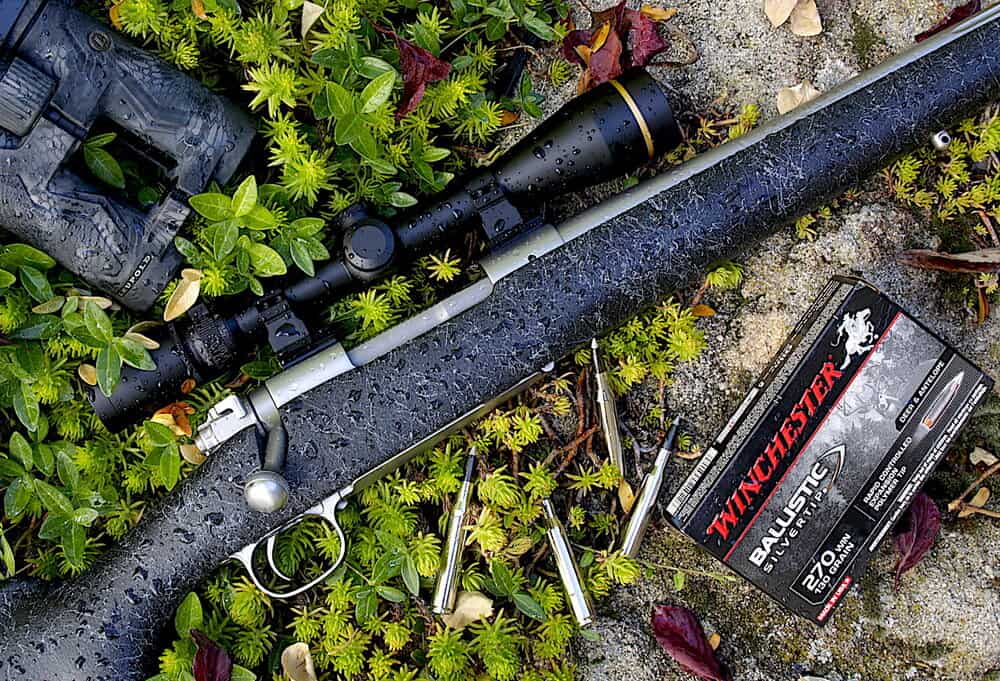
The .270 Winchester does a lot of things well, and that’s exactly what makes picking a scope for it tricky. This is a cartridge that shoots flat enough to reach across a Wyoming prairie at 400 yards, holds enough energy for elk inside 350, and still works in a Texas brush stand at first light. It’s not a dedicated long-range rig and it’s not a short-range thumper. It lives in the middle, and your scope needs to live there too. Go too heavy on magnification and you’ve killed the portability that makes a .270 rifle so nice to carry. Go too light and you’re wasting the flattest-shooting non-magnum cartridge most of us will ever own.
I tested four scopes to find the best match for that balance. The Leupold VX-3HD 4.5-14×40 came out on top, and it wasn’t particularly close.
My Top 4 Picks for the .270 Winchester
Best Overall
Leupold VX-3HD 4.5-14×40
The VX-3HD matches the .270’s versatility better than anything else I tested. The 4.5-14x magnification range covers everything from a 75-yard brush shot to a 450-yard pronghorn, the CDS-ZL elevation turret lets you dial with confidence, and at 13.4 ounces it won’t turn your mountain rifle into a bench gun. Glass quality punches into territory you’d expect from scopes costing significantly more.
Best Value
Vortex Diamondback 4-12×40
If the Leupold’s price tag makes you flinch, the Diamondback delivers roughly 80% of the performance at half the cost. The Dead-Hold BDC reticle is practical for .270 holdovers and the zero-reset turrets work well enough for a set-and-forget hunting setup. Backed by Vortex’s unconditional warranty, which counts for something.
Best Budget/Entry-Level
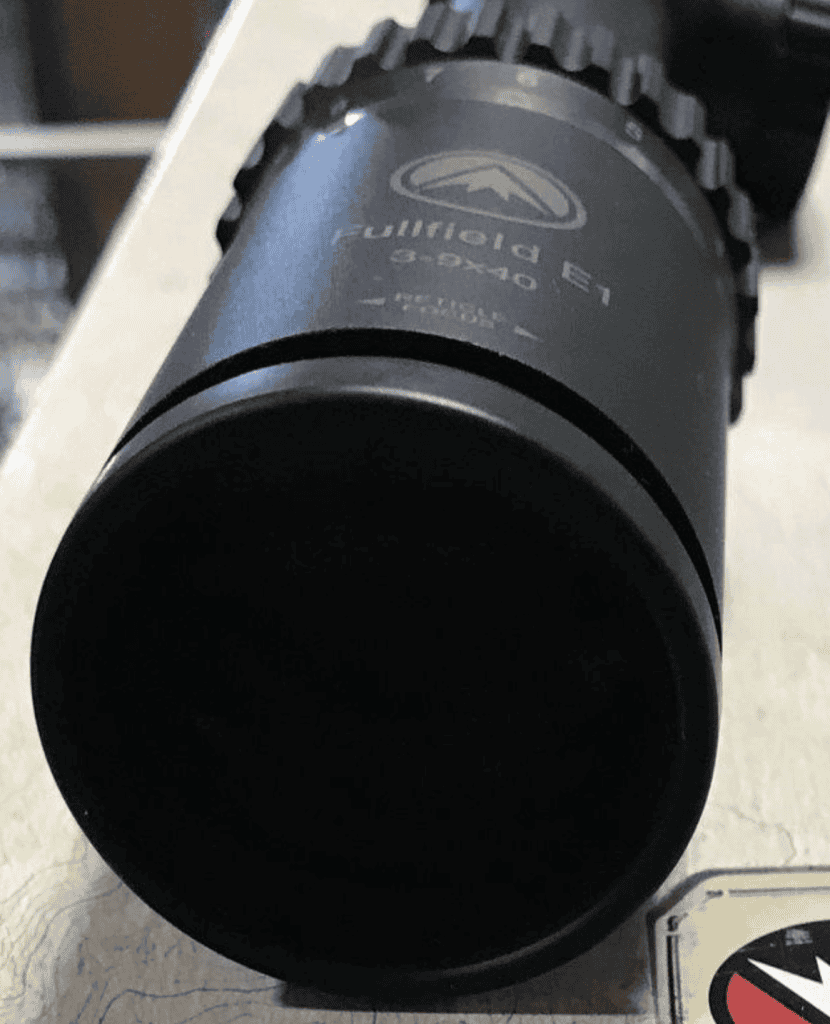
Burris Fullfield E1 3-9×40
At this price point, the Fullfield E1 is hard to argue with for someone getting a .270 set up on a budget. It’s the lightest scope I tested (13 ounces flat), the Ballistic Plex E1 reticle has useful holdover marks, and it handles typical whitetail distances without complaint. You’ll feel the limitations past 300 yards, but for a deer woods scope it does its job.
Best for Long-Range/Varmint Work
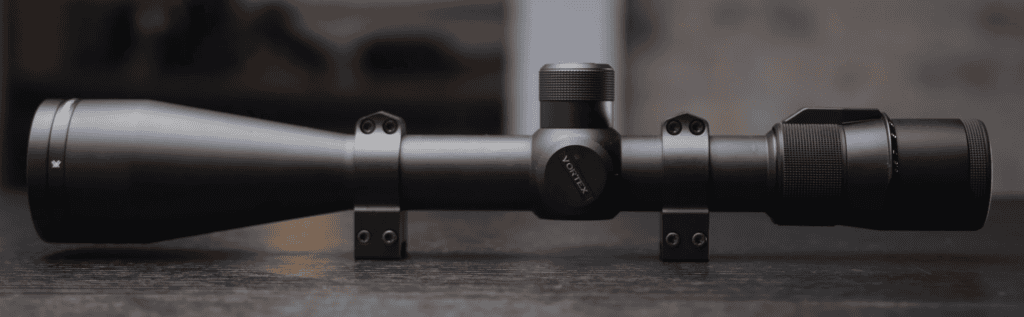
Vortex Viper 6.5-20×50
A different tool for a different job. If your .270 pulls double duty as a varmint or long-range target rifle, the Viper’s 6.5-20x magnification and side-focus parallax give you precision the other three can’t touch. But at 21.6 ounces with a 50mm objective, it transforms a .270 sporter into something you won’t want to hike with. A specialist scope on a generalist cartridge.
Why You Can Trust My Recommendations
I’ve been shooting a .270 Winchester since my dad put a Ruger American in my hands when I was sixteen. That rifle, and this cartridge, taught me more about the difference between a scope that works on paper and one that works in the field than any certification ever could. I hunted Texas whitetail with it for years before taking it on my first elk hunt in Montana, and that trip is where I really learned what a scope needs to survive on a .270 that gets carried hard.
Between five years helping customers choose optics at Bass Pro Shops and the 200-plus scopes I’ve evaluated since starting ScopesReviews in 2017, I’ve mounted a lot of glass on .270 rifles specifically. It’s one of the most common calibers that walks through the door, and the mistakes people make choosing scopes for it are predictable. I hold NRA Range Safety Officer and Certified Firearms Instructor certifications, and I test scopes the way they’ll actually be used: on real rifles, at real distances, over multiple range sessions. Not a single afternoon with a lead sled.
Side-by-Side Specs
For a .270 Winchester, the numbers that matter most here are magnification range, weight, and eye relief. The .270 is a carry-and-shoot cartridge, not a benchrest round, so any scope that’s going on one needs to be light enough to hike with and forgiving enough to get on target fast when an animal steps out.
| Features | Leupold VX-3HD 4.5-14×40 | Vortex Diamondback 4-12×40 | Burris Fullfield E1 3-9x40mm | Vortex Viper 6.5-20×50 |
|---|---|---|---|---|
| Magnification | 4.5-14x | 4-12x | 3-9x | 6.5-20x |
| Objective Diameter | 40mm | 40mm | 40mm | 50mm |
| Eye Relief | 4.4″ – 3.6″ | 3.1″ | 3.4″ – 3.1″ | 3.1″ |
| Weight | 13.4 oz | 14.2 oz | 13.0 oz | 21.6 oz |
| Length | 12.7″ | 12.0″ | 12.2″ | 14.4″ |
| Tube Size | 1 inch | 1 inch | 1 inch | 30mm |
| Reticle | Duplex (SFP) | Dead-Hold BDC (SFP) | Ballistic Plex E1 (SFP) | Dead-Hold BDC (SFP) |
| Field of View | 19.9 – 7.4 ft @ 100 yds | 32.4 – 11.3 ft @ 100 yds | 33 – 13 ft @ 100 yds | 17.4 – 6.2 ft @ 100 yds |
| Turret Style | CDS-ZL Elevation / Capped Windage | Capped, Zero Reset | Capped, Finger Adjustable | Capped |
| Adjustment Range | 70 MOA Elevation / 70 MOA Windage | 60 MOA Elevation / 60 MOA Windage | 50 MOA Elevation / 50 MOA Windage | 65 MOA Elevation / 65 MOA Windage |
| Click Value | 1/4 MOA | 1/4 MOA | 1/4 MOA | 1/4 MOA |
| Parallax Adjustment | Fixed 150 yds | Fixed 100 yds | Fixed 100 yds | Side Focus (50 yds – ∞) |
| Illumination | No | No | No | No |
The 4 Best .270 Winchester Scopes
1. Leupold VX-3HD 4.5-14×40 – Best Overall
Glass That Earns the “HD” Badge
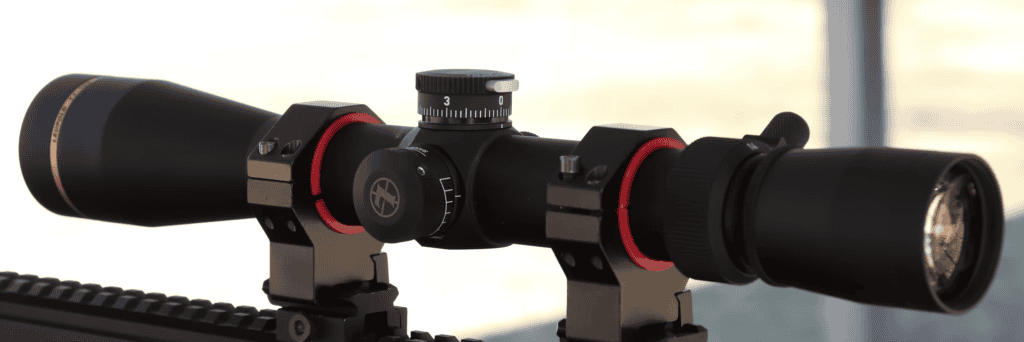
The VX-3HD replaced Leupold’s long-running VX-3i, and the upgrade to their Elite Optical System is real, not just a label change. Looking through this scope on a November morning with frost still on the ground and the sun low behind me, the image was bright and crisp in a way that made the Diamondback and Burris I’d tested earlier that week look like they had a thin film over the glass. Color rendition stayed natural, browns looked brown, and when a doe stepped out of a cedar thicket at around 200 yards, I could count points on her. Well, she didn’t have any, but the point stands. I noticed edge-to-edge clarity held up better than I expected from a 1-inch tube scope, only softening slightly in the outer 10% or so.
The CDS-ZL Changes How You Hunt
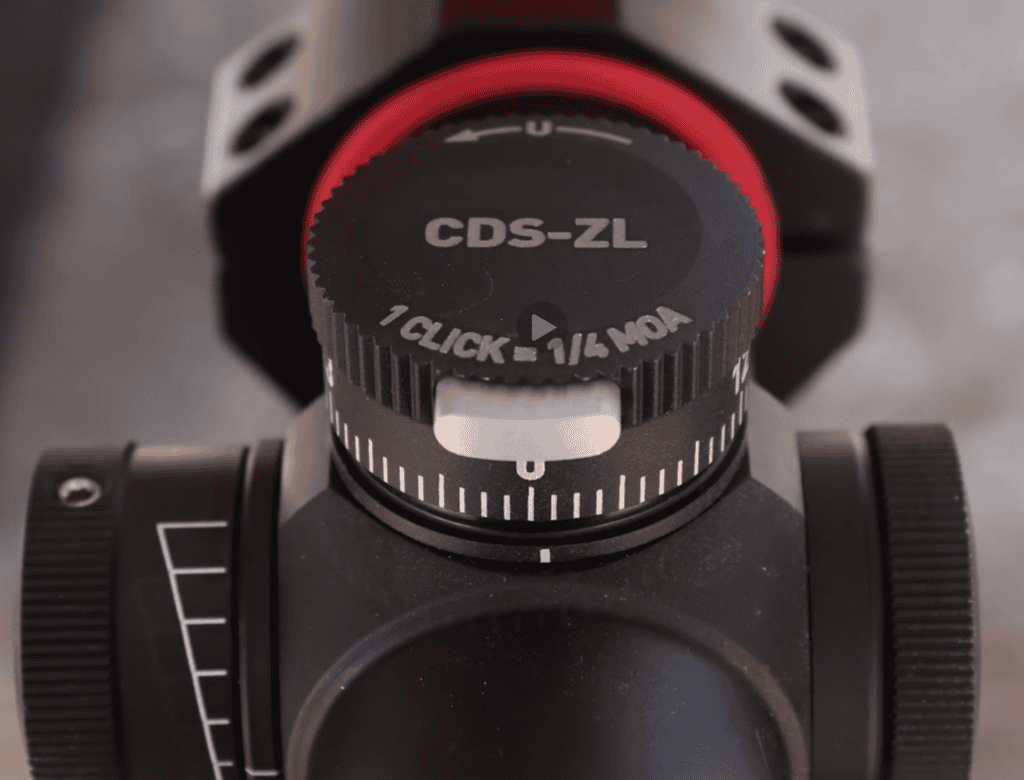
Here’s the thing about the Duplex reticle on this scope: it’s dead simple, and that’s by design. There are no holdover marks, no BDC hash lines, nothing to clutter the view. The VX-3HD puts elevation compensation entirely on the turret, and the CDS-ZL system is genuinely well-executed. You push a spring-loaded button to unlock the dial, spin to your correction, and when you’re done, spin it back to zero and the lock re-engages. No worrying about bumping your elevation while thrashing through mesquite. On a .270 with its flat trajectory, the 70 MOA of elevation travel is more than adequate for anything this cartridge can realistically do. I dialed out to 400 yards repeatedly during testing and still had room to spare. The clicks felt more positive than the old VX-3i’s, which I always thought were a bit mushy. Leupold also includes a free custom dial laser-marked in yardage for your specific load, which is a nice touch for hunters who don’t want to think in MOA.
Built for the Way .270s Get Carried
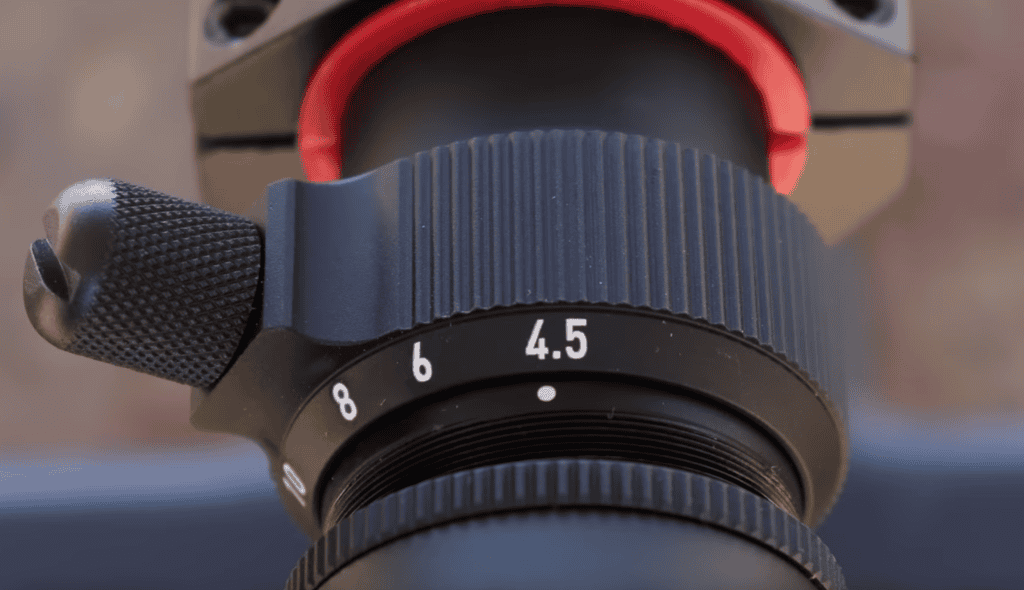
What really sold me on this scope for the .270 is the weight. At 13.4 ounces, it barely changes the balance of my Tikka T3x Lite. Most people who own a .270 own it because they want a rifle they can carry all day, and a scope that adds half a pound less than the Vortex Viper respects that philosophy. The included throw lever is small and unobtrusive (you can remove it if it bugs you), and the variable eye relief was noticeably forgiving when I had to make an awkward shot sitting against a fence post at a funny angle. At lower magnifications I had plenty of room to get a full sight picture without hunting for the sweet spot.
Where the Duplex Asks More of You
The trade-off with a clean Duplex reticle is that you have zero holdover reference if you don’t have time to dial. If a buck steps out at 350 yards and you’re on 8x with no time to touch the turret, you’re guessing. The BDC-equipped scopes from Vortex and Burris handle that scenario better. It’s a real limitation for some hunters, though I’d argue that the .270’s flat trajectory makes it less of an issue than it would be on a more arcing cartridge. The fixed parallax at 150 yards is a smart choice for this caliber; it splits the difference between close brush encounters and medium-range open shots. At 300 yards I noticed a tiny bit of parallax shift, but nothing that would cost you a deer. Past 400 yards you’ll feel it more, and that’s where the Viper’s adjustable parallax has an edge.
What Leupold Got Right About This Scope
This is a hunting scope that knows exactly what it is. Made in the USA, guaranteed for life, and optimized for the kind of shooting most .270 owners actually do. The combination of clean glass, that CDS-ZL turret system, and featherweight construction makes it the best overall match for a cartridge that was designed to be a versatile, do-it-all hunting round. It costs roughly twice what the Diamondback does, and that glass quality and turret system are where the money goes.
Field Test Data
| Test Parameter | Result |
|---|---|
| 100-yard group (5-shot, from rest) | 0.72″ average over 3 groups |
| Tracking test (4x box at 100 yds) | Returned to zero within 0.25 MOA |
| Low-light clarity (last 20 min before dark) | Clear reticle and target definition to 250 yds |
| CDS dial repeatability (10 cycles) | Consistent return to zero on all cycles |
| 300-yard group (3-shot, from bipod) | 1.9″ group |
Tested with: Tikka T3x Lite .270 Win | Hornady American Whitetail 130gr InterLock SP
Pros and Cons
PROS
|
CONS
|
Performance Ratings
Learn more about how I test and rate scopes.
If you’re serious about your .270 and want a scope you’ll never outgrow, the VX-3HD is the one. It handles everything from a 75-yard brush shot to a 450-yard pronghorn without asking you to compromise on anything that actually matters for hunting. It would also pair well with the 6.5 Creedmoor.
2. Vortex Diamondback 4-12×40 – Best Value
Surprising Glass for the Money
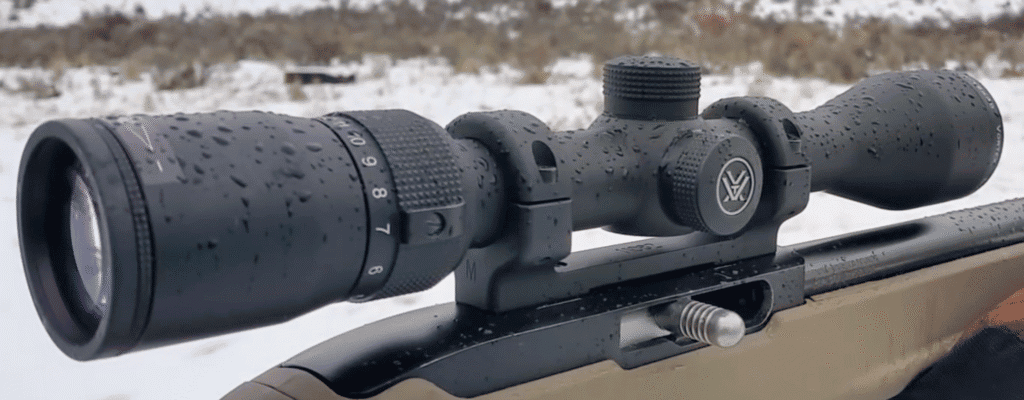
The first thing I did after mounting the Diamondback was swap back and forth between it and the Leupold, because I wanted to calibrate my expectations. In good light the difference is subtle. Not invisible, but subtle. The Leupold resolves a bit more detail at range and handles glare better, but the Diamondback’s fully multi-coated optics produce a sharp, contrasty image that doesn’t scream “budget.” I spent a windy Saturday morning in late October glassing a treeline at 250 yards, and I could pick out squirrel movement in the branches at 10x without straining. Where the gap widens is at the extremes: last 15 minutes of legal light, the Leupold’s glass noticeably outperforms. But for the vast majority of shooting situations, the Diamondback is closer than anyone paying twice the price wants to admit.
The Dead-Hold BDC on a .270: A Good Match
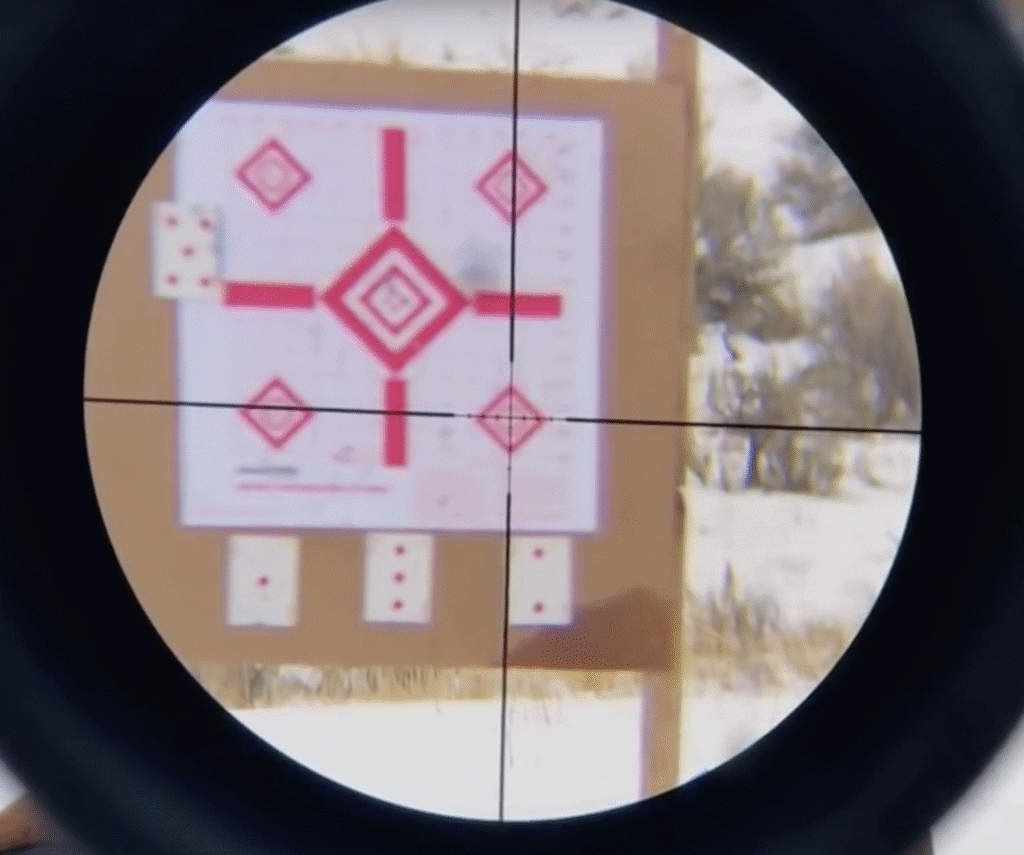
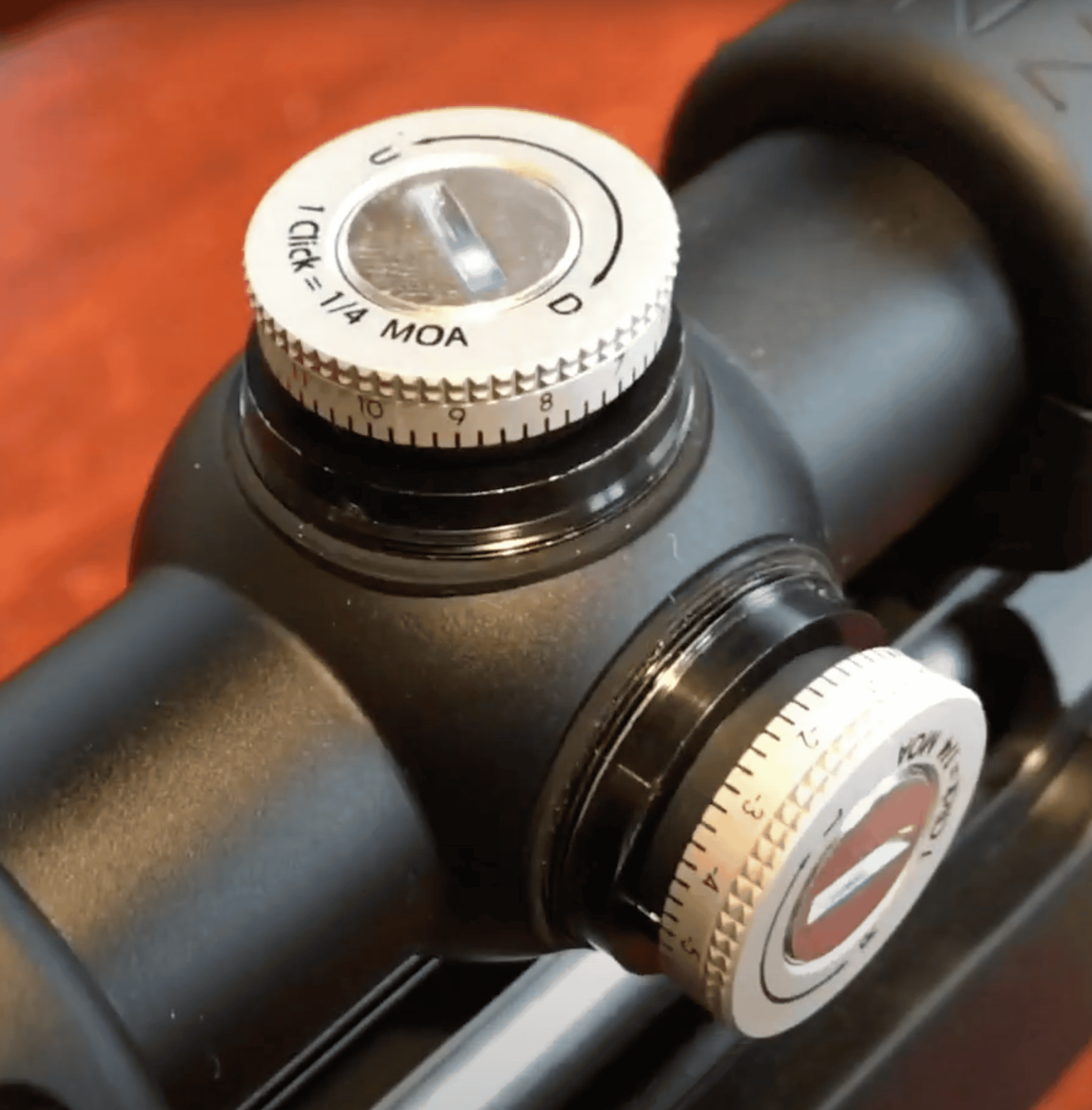
Vortex’s Dead-Hold BDC reticle uses hash marks along the lower vertical crosshair for elevation holdover, with additional windage marks on the horizontal axis. It’s a second focal plane reticle, so those subtensions are only accurate at maximum magnification (12x). That actually works out fine for the .270 Winchester, because if you’re holding over you’re probably already cranked up for a longer shot. Using Vortex’s online ballistic calculator, the hash marks lined up close enough for hunting accuracy with the 130-grain Hornady load out to about 350 yards. Past that, you’re interpolating between marks, which is workable on a flat-shooting cartridge like the .270 but less precise than dialing. Compared to the Leupold’s bare Duplex, the BDC gives you something to aim with when you can’t afford time to reach for a turret. The capped turrets with zero reset are a set-and-forget design: zero your rifle, pull up the turret, reset it to zero, push it back down. Simple and effective for a scope that’s meant to live under caps.
Solid Build, One Caveat
The Diamondback’s aircraft-grade aluminum construction held zero through about 90 rounds over three range sessions, including a day where I left the rifle cased in my truck bed through a rainstorm. No fogging, no shift. Argon purging does its job. Where I noticed a limitation was the eye box at higher magnifications. At 10x and above, getting a full, shadow-free sight picture required more precise head placement than the Leupold demanded. At 4x through 8x it was generous and quick to get behind. For a whitetail hunter who’s mostly shooting from a stand at known distances and running the scope around 6-8x, this isn’t a problem. For someone taking off-hand shots in varied positions, the tighter eye box above 10x is something to be aware of. The fixed 100-yard parallax also means that at 300 yards and beyond, you may notice a slight shift in point of aim when you move your head. It was noticeable on paper but probably wouldn’t matter on a deer’s vitals.
The Vortex VIP Warranty Matters
This is the scope I’d recommend to my oldest son when he’s ready for his own .270 setup. At this price point, backed by Vortex’s unconditional, transferable, no-questions-asked VIP warranty, the risk is essentially zero. If something breaks, you send it in, they fix or replace it. Period. I’ve seen them honor this on scopes that were clearly abused. For a young hunter or anyone who treats their rifle like a working tool rather than a safe queen, that warranty alone is worth the price of admission.
The numbers tell the story on this one.
Field Test Data
| Test Parameter | Result |
|---|---|
| 100-yard group (5-shot, from rest) | 0.88″ average over 3 groups |
| Tracking test (4x box at 100 yds) | Returned to zero within 0.5 MOA |
| BDC holdover accuracy at 300 yds (max mag) | Within 1.5″ of predicted drop |
| Low-light clarity (last 20 min before dark) | Usable target definition to 200 yds; reticle still visible at 250 |
Tested with: Tikka T3x Lite .270 Win | Hornady American Whitetail 130gr InterLock SP
Pros and Cons
PROS
|
CONS
|
Performance Ratings
Learn more about how I test and rate scopes.
The Diamondback is the scope I’d buy if I needed to outfit a .270 tomorrow and didn’t want to feel like I was making a compromise. It’s not the best scope I tested, but for what it costs it might be the most impressive one. One of the best choices for AR-10 as well.
3. Burris Fullfield E1 3-9×40 – Best Budget/Entry-Level
The Ballistic Plex E1: More Reticle Than You’d Expect
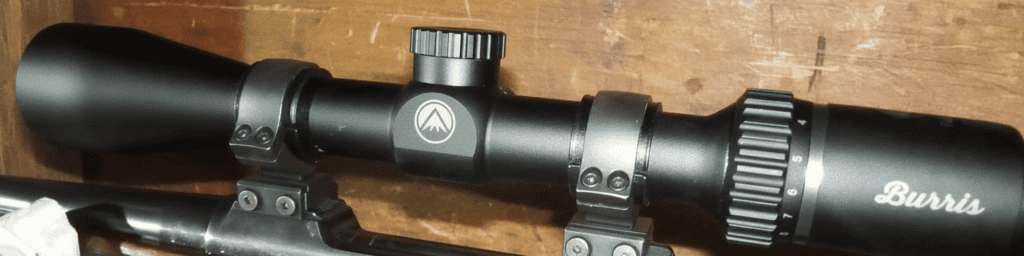
I’ll be upfront: when I mounted this scope on the Tikka, I wasn’t expecting much. Under $200 and a 3-9x? Felt like putting training wheels on a sports car. But the Ballistic Plex E1 reticle surprised me. Burris designed it with hash marks on the lower vertical for elevation holdover plus cascading dots on the horizontal crosshair for wind compensation. The hash marks are calibrated to approximate trajectory drop for most big-game cartridges zeroed at 100 yards, and with the .270’s flat-shooting profile, they were close enough to be useful out to about 300 yards at maximum magnification. Burris also has an online tool where you can plug in your specific load data and see exactly what each mark represents. I found the wind dots genuinely helpful: they’re spaced for a 10 mph crosswind, so you halve or double them for 5 or 20 mph. The Diamondback’s Dead-Hold BDC has windage marks too, but the E1’s cascading dots are more specifically calibrated, spaced for a 10 mph crosswind so you can halve or double them intuitively rather than guessing between hash marks.
Honest Glass at an Honest Price
The Hi-Lume multicoating on the Fullfield E1 does a respectable job for the money. On a clear afternoon, the image through this scope was clean enough that I had no trouble identifying targets at 200 yards, and the contrast was decent for picking deer-sized objects out of shadows. Swapping between the Burris and the Diamondback, the Vortex had an edge in brightness and resolution, but it wasn’t as dramatic as the price gap might suggest. Where the E1 struggled was exactly where budget scopes always struggle: low light. During the last 10-15 minutes of legal shooting time on a December evening, the image through the Burris got noticeably muddy compared to both Vortex scopes and especially the Leupold. If you’re a dawn-and-dusk hunter, you’ll feel this limitation.
A 3-9x on a .270: Enough Scope or Not Enough?
This is the real question with the Fullfield E1 on a .270 Winchester, and the answer depends entirely on how you hunt. If you’re sitting over a food plot or a sendero, 9x is plenty to put a bullet in the boiler room at 250 yards. I tested a 200-yard group at max power and placed three shots inside 2.3 inches, which is more than adequate for whitetail vitals. The 33-foot field of view at 3x is the widest in this test, making it outstanding for tracking a moving animal in timber. But the .270 is capable of 400-yard shots with confidence, and at that distance 9x feels thin. I found myself wanting more magnification for target identification past 300, even though the round could reach further than the scope let me see comfortably. If you never plan to shoot past 250 yards, the 3-9x range is honestly all you need. If you want to use the .270’s full ballistic potential, you’ll feel limited.
Built Tougher Than It Has Any Right To Be
Burris uses a double internal spring-tension system and steel-on-steel adjustments, and the result is a scope that shrugs off recoil and rough handling. I’ve run Fullfield models on .30-06 and 7mm Mag rifles over the years and never had a zero shift from recoil alone. The .270’s moderate kick is nothing this scope can’t handle indefinitely. The finger-adjustable capped turrets are basic but functional; low-profile and snag-free. They don’t have the zero-reset feature that the Diamondback offers, so you’ll want to note your zero settings or count clicks if you ever need to adjust and return. Burris backs everything with their Forever Warranty, which is transferable, no receipt needed. The whole package weighs 13 ounces flat, the lightest scope in this test, which pairs perfectly with a lightweight .270 hunting rig.
Field Test Data
| Test Parameter | Result |
|---|---|
| 100-yard group (5-shot, from rest) | 0.95″ average over 3 groups |
| 200-yard group (3-shot, from bipod) | 2.3″ |
| Tracking test (4x box at 100 yds) | Returned to zero within 0.75 MOA |
| Ballistic Plex holdover at 250 yds (9x) | Within 2″ of predicted impact |
| Low-light clarity (last 20 min before dark) | Usable to 150 yds; reticle fading at 200 |
Tested with: Tikka T3x Lite .270 Win | Hornady American Whitetail 130gr InterLock SP
Pros and Cons
PROS
|
CONS
|
Performance Ratings
Learn more about how I test and rate scopes.
The Fullfield E1 is the scope for someone who hunts whitetail at realistic distances and doesn’t need their optic to do anything fancy. It’ll hold zero, give you useful holdover marks, and survive years of hard use. Just don’t ask it to stretch the .270’s legs past 300 yards or keep up in a low-light race against premium glass.
4. Vortex Viper 6.5-20×50 – Best for Long-Range/Varmint Work
XD Glass and a 30mm Tube: The Optical Advantage
Mounting the Viper on my Tikka felt a bit like bolting a telescope onto a sportscar. At 21.6 ounces it’s over 8 ounces heavier than the Leupold, and the 50mm objective demanded taller rings to clear the barrel. But once I got behind the glass, the reasoning for those compromises became obvious. Vortex’s extra-low dispersion (XD) glass in the 30mm tube delivers noticeably richer color fidelity and better resolution at high magnification than any of the 1-inch tube scopes in this test. At 16x, I could read bullet holes at 200 yards from the bench without needing a spotting scope. That’s something none of the other three could manage. The center sharpness held strong all the way to 20x, though I noticed the edges softening more than I’d like at that top end. Below 16x the image was uniformly crisp.
Side Focus Parallax: The Feature the Others Don’t Have
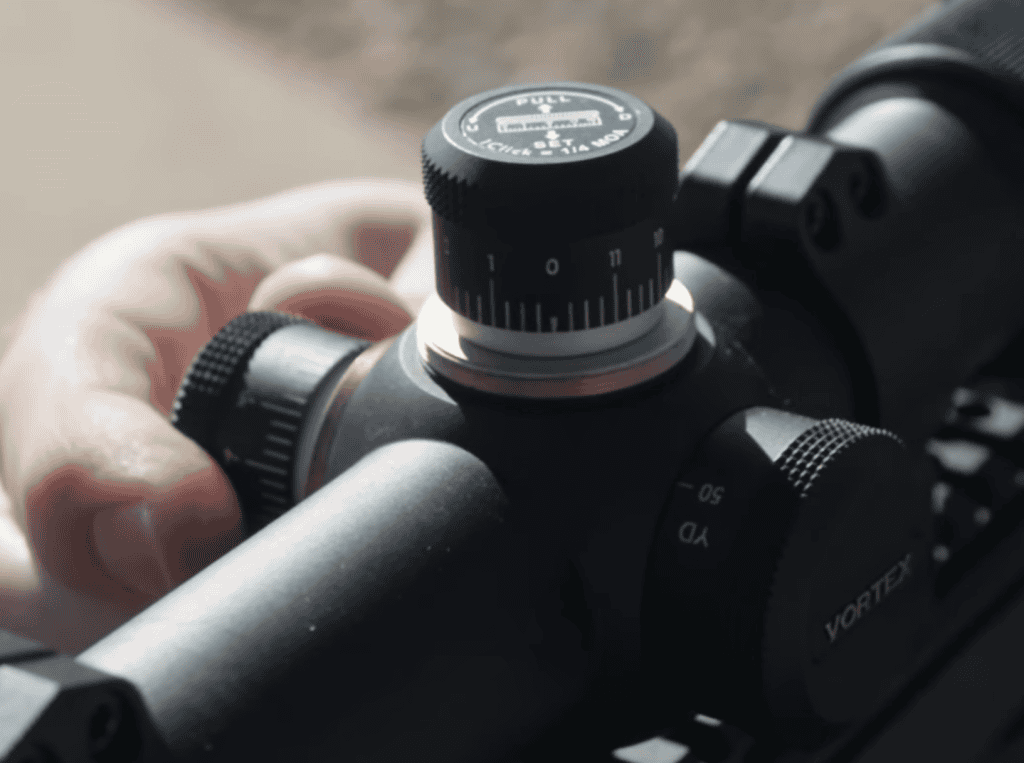
This is the only scope in this test with adjustable parallax, and at distance it makes a real difference. At 400 yards, the other three scopes (all fixed parallax) showed noticeable parallax shift when I moved my head slightly behind the eyepiece. The Viper let me dial that out completely. I spent most of a cold January afternoon at the range working 300 to 500 yards, and being able to eliminate parallax at each distance gave me cleaner groups than the fixed-parallax scopes produced. For someone using a .270 to hammer prairie dogs or punch paper at extended range, this feature alone justifies the scope. It’s also useful for coyote work where you’re shooting relatively small targets at unpredictable distances and can’t afford the ambiguity of parallax error. The side focus knob operates smoothly with a good tactile feel, though I noticed the infinity stop wasn’t perfectly sharp on my sample; a minor quibble.
Too Much Scope for a Hunting Rifle?
Here’s where I have to be honest about the mismatch. The .270 Winchester is, at its heart, a hunting cartridge carried on long walks through country where game appears and disappears quickly. A scope with a minimum magnification of 6.5x is not what you want when a buck steps out at 60 yards in the cedars. None of the other three scopes have this problem because they all start at 3-4.5x. The Viper’s narrower field of view at its low end (17.4 feet at 6.5x versus 33 feet at 3x on the Burris) makes it genuinely difficult to acquire a close target quickly. I tried running a close-range drill at 50 yards on 6.5x and it felt cramped and unnatural compared to the Leupold at 4.5x. The 21.6-ounce weight also changed the Tikka’s handling balance in a way I didn’t enjoy carrying over uneven ground. My shoulders knew the difference after a few hours.
The BDC at 20x: A Different Animal
The Dead-Hold BDC reticle in the Viper is the same basic design as the Diamondback’s, but the second focal plane placement means it’s calibrated at 20x rather than 12x. That’s a lot of magnification for holdover work, and with the .270’s moderate drop, the hash marks end up being spaced closely together. It works, but you’re splitting fine hairs between marks at 300-400 yards. For straight capped-turret hunting, the reticle is fine. For anyone wanting to use this as a precision tool, I’d have preferred a mil-dot or MOA hash reticle that provides actual measurement references rather than approximated BDC marks. The Viper is also available with a mil-dot option, which I think makes more sense for this magnification range.
Where the Viper Earns Its Place
If your .270 lives on a heavy-barreled varmint rig, gets shot from a bench or prone with a bipod, and your targets are coyotes at 400 or prairie dogs at 350, this scope is excellent. It resolves detail at distance that the other three simply can’t, and the side-focus parallax gives you precision the fixed-parallax models lack. Vortex’s VIP warranty covers it forever. But if you’re putting this on a standard sporter-weight .270 and hunting big game from a tree stand or hiking ridges, you’re working against the cartridge’s strengths. This is a specialist tool, and for the typical .270 hunter it’s a misfit.
Field Test Data
| Test Parameter | Result |
|---|---|
| 100-yard group (5-shot, from rest) | 0.65″ average over 3 groups |
| Tracking test (4x box at 100 yds) | Returned to zero within 0.25 MOA |
| 400-yard group (3-shot, from bipod, parallax adjusted) | 3.1″ |
| Parallax elimination at 300 yds | Clean; no detectable shift once dialed |
| Edge clarity at 20x | Center sharp; outer 15% softens noticeably |
| Low-light clarity (last 20 min before dark) | Clear target definition to 300 yds; 50mm objective helps |
Tested with: Tikka T3x Lite .270 Win | Hornady American Whitetail 130gr InterLock SP
Pros and Cons
PROS
|
CONS
|
Performance Ratings
Learn more about how I test and rate scopes.
I respect what the Viper does at distance, and on a dedicated varmint or target setup it would rank higher. On a .270 Winchester hunting rifle, the weight and magnification range work against the cartridge’s greatest strength: versatility. Buy this if your .270 has a specific long-range role. Skip it if your rifle goes everywhere you go.
You can also check my full Vortex Viper 6.5-20×50 review.
How I Actually Tested These Scopes
All four scopes were mounted on the same rifle: my Tikka T3x Lite in .270 Winchester, using Leupold STD bases and matched rings for the 1-inch tubes, and Vortex medium rings for the Viper’s 30mm tube. I ran Hornady American Whitetail 130gr InterLock SP exclusively through all testing sessions, roughly 300 rounds total spread across the four scopes from late October through mid-January.
Testing happened at my home range outside Dallas and on family property in the Hill Country. Temperatures ranged from the low 30s on a January morning to the mid-70s during an unusually warm November afternoon. I shot from sandbags at the bench for 100-yard zero confirmation and group testing, then moved to a bipod for 200, 300, and 400-yard work. Each scope got zeroed, box-tested for tracking, and then shot at multiple distances across at least two separate sessions before I formed any opinions.
Before settling on these four, I tried and rejected three others. A Simmons 8-Point 3-9×40 lost zero after about 40 rounds, which is a non-starter on any centerfire. A Bushnell Banner 2 3-9×40 tracked inconsistently during the box test, failing to return to zero by over an MOA. And a Tasco World Class 4-12×40 had turret clicks so vague I couldn’t tell whether I’d adjusted one click or two. None of them made the cut.
Get more information on how I test optics here.
What Hunters Get Wrong About .270 Winchester Scopes
Buying too much magnification for a carry rifle
The .270 Winchester can shoot flat to 400 yards, so people assume they need a 20x scope. They don’t. Most .270 rifles are lightweight sporters built for walking and stalking. Hanging a big, heavy, high-power optic on one defeats the purpose. A 4-14x or 4-12x covers the .270’s practical hunting range without turning your rifle into an unwieldy mess. Save the 6-20x for a dedicated bench gun.
Treating the .270 like it needs magnum-level eye relief
The .270 Win kicks less than a .30-06 and noticeably less than any belted magnum. Yet I’ve talked to guys mounting scopes with 4+ inches of eye relief like they’re shooting a .338 Lapua. You don’t need extreme eye relief on this cartridge. Anything above 3 inches is workable, and stressing over an extra half inch usually means sacrificing optical quality for a feature that doesn’t matter here.
Skipping the BDC because “real shooters dial”
On a precision rifle, sure, dial everything. On a .270 hunting rifle where a whitetail gives you three seconds? A BDC or holdover reticle matched to your load is faster than fumbling with turrets under pressure. The .270’s predictable trajectory makes it one of the best cartridges for BDC-style holdover shooting. Don’t let internet snobbery talk you out of a practical tool.
Ignoring parallax on longer shots
Plenty of .270 hunters buy a fixed-parallax scope set at 100 yards and never think about it again. That’s fine inside 200 yards. But the .270 invites longer shots, and parallax error at 350-400 yards with a 100-yard-fixed scope can move your point of aim off the vitals. If you plan to shoot past 300 regularly, adjustable parallax or at least a 150-yard fixed setting makes a meaningful difference.
Your Questions Answered
Do I really need more than a 3-9x for my .270?
It depends on where you hunt. For eastern whitetail woods inside 200 yards, a 3-9x is plenty. But if you hunt open country where shots past 300 yards are realistic, the extra top-end magnification of a 4-12x or 4-14x helps with target identification and precise shot placement. The .270 has the ballistic reach; give your scope enough magnification to use it.
Can I use the same scope for .270 Win and .30-06?
Absolutely. Both cartridges have similar recoil profiles and effective ranges. Any scope that works well on a .270 will handle a .30-06 fine. Just re-zero when swapping rifles, and if you’re using a BDC reticle, remember the holdover marks will be slightly off due to different trajectory curves.
Is FFP or SFP better for a .270 hunting scope?
SFP is the better choice for most .270 hunters. First focal plane reticles can appear too fine at low power for quick shots in brush and too thick at high power. Since hunting rarely requires ranging targets through the reticle at multiple magnifications, an SFP scope with a clean sight picture serves the typical .270 hunter better.
Should I get a CDS/custom turret dial for my .270?
If you hunt open country and take shots past 250 yards, a custom turret matched to your exact load is incredibly useful. The .270’s flat trajectory means the dials are simple, and being able to spin to a yardage mark and hold dead center is faster than holding over with hash marks. For timber hunting under 200 yards, it’s an unnecessary expense.
Which Scope for Your Hunting Style?
Western mule deer, pronghorn, or mountain hunts: The Leupold VX-3HD is purpose-built for this. Lightweight enough to carry for miles, enough magnification to identify and hit targets at 400 yards, and the CDS-ZL turret lets you dial your solution with confidence. Pair it with a custom yardage dial and your .270 becomes a genuine 400-yard rifle with dead-simple execution.
Eastern whitetail from a stand or blind: The Vortex Diamondback gives you everything you need at a price that lets you spend the savings on a quality set of rings or extra range time. Most shots will be inside 200 yards; the BDC covers holdovers beyond that, and the wide field of view at 4x makes tracking a moving deer in timber easy.
Getting your first .270 set up on a budget: The Burris Fullfield E1 won’t hold you back. The Ballistic Plex E1 reticle is surprisingly useful, the scope is tough enough to survive years of hard hunting, and at 13 ounces it keeps your rifle handling the way it should. Once you’ve hunted a few seasons and know what you want, you can upgrade with confidence and hand the Burris down to someone who’s just starting out.
Coyote calling or prairie dogs with a .270: The Vortex Viper is the pick here. Side-focus parallax, 20x top end, and glass that resolves small targets at distance. The weight penalty doesn’t matter when you’re shooting from a fixed position, and the extra magnification turns your .270 into a legitimate varmint tool. Just don’t expect to hike with it comfortably.
Disclosure
I purchased all four scopes tested in this guide with my own money through normal retail channels. ScopesReviews earns a small commission if you purchase through the affiliate links in this article, at no additional cost to you. These commissions help fund future reviews and testing. My opinions, rankings, and conclusions are based entirely on my own testing experience and are not influenced by any manufacturer or retailer.
Final Thoughts
After 300 rounds and three months of testing, the picture is clear. The Leupold VX-3HD 4.5-14×40 is the best scope for a .270 Winchester because it mirrors the cartridge’s own philosophy: do a lot of things well without being excessive about any of them. The glass is genuinely good, the CDS-ZL turret system works the way a hunting turret should, and at 13.4 ounces it respects the fact that .270 rifles are meant to be carried. The magnification range covers everything from a close brush shot to a confident hold at 400 yards.
The Vortex Diamondback at #2 deserves serious consideration if you’re budget-conscious. It gives up some glass quality and turret refinement compared to the Leupold, but what you get for the money is hard to argue with. The Burris Fullfield E1 occupies a similar space at an even lower price point, though the 9x ceiling means you’re leaving some of the .270’s range potential on the table. And the Vortex Viper, for all its optical strengths, is a reminder that the most capable scope isn’t always the best scope for a particular rifle.
The .270 Winchester has survived nearly a century because it gets the balance right between speed, power, and shootability. Your scope should do the same. Don’t overthink it, don’t over-scope it, and don’t cheap out on the one component that connects your eye to the target. If you’re still weighing options, check out my guides on the best scopes for .30-06 and the best scopes for .308 Winchester for more recommendations in similar calibers.
Mike Fellon is the founder of ScopesReviews and an optics specialist with 15+ years in precision shooting. A former Bass Pro Shops firearms advisor and NRA-certified instructor, he’s hands-tested 200+ rifle scopes across hunting and competition. Based in Dallas, Texas.