
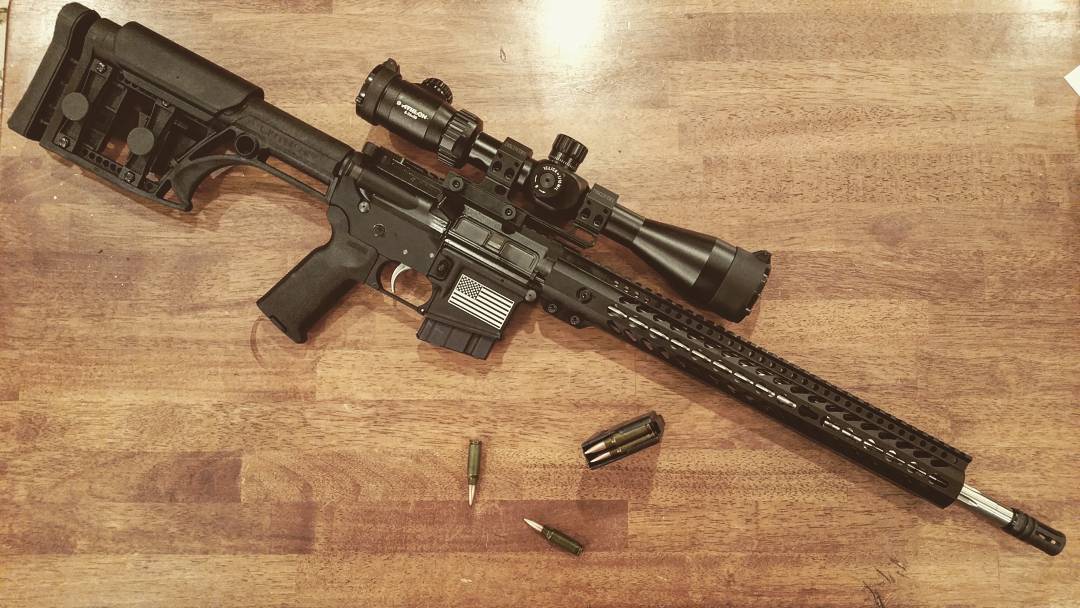
The 6.5 Grendel exists because somebody wanted an AR-15 that could reach past 600 yards and still drop a whitetail at 200. That dual identity is exactly what makes scoping one tricky. You can’t just throw a 3-9x hunting scope on a Grendel build and call it good, because you’re leaving the cartridge’s best quality on the table: its ability to stay supersonic and accurate well past where a 5.56 gives up.
But you also can’t bolt on a 25-power target optic and pretend your AR is a bench gun. The Grendel lives in between, and the scope has to live there too. I tested four optics across a full range of distances and conditions to find which one handles that balancing act best. The Primary Arms SLx 3-18×50 Gen 2 with the ACSS Apollo .308/6.5 Grendel reticle took it. A reticle built from the ground up for this cartridge’s ballistics, on an FFP platform with a zero stop, at a mid-tier price. That combination is hard to argue against.
My Top 4 Picks for the 6.5 Grendel
Best Overall
Primary Arms SLx 3-18×50 Gen 2
The ACSS Apollo reticle was designed specifically for 6.5 Grendel ballistics, and it shows. Holdovers, wind calls, ranging, all baked into the glass so you spend less time doing math and more time shooting. The Gen 2 rebuild also brought improved turrets with a true zero stop and better optical clarity than the original. At this price tier, nothing else matches a caliber-specific FFP reticle, illumination, and a 3-18x magnification range that actually covers the Grendel’s full envelope.
Best Budget Option
Vortex Diamondback Tactical 4-16×44
If you’re building a Grendel on a budget and want a scope that tracks reliably and won’t quit on you, this is it. The EBR-2C MRAD reticle in FFP gives you holdover capability without spending premium money, and the 4-16x range covers nearly everything the Grendel does well. No illumination, but at this price point that’s a concession most shooters can live with.
Best for Weight-Conscious Hunters
Leupold VX-3HD 4.5-14×40
At 13.4 ounces, the VX-3HD weighs less than half of every other scope in this test. For someone building a Grendel specifically to carry through hill country or on long stalks, the weight difference is substantial. Leupold glass earns its reputation in low light, and the CDS-ZL dial system works well for hunters who set their dope and go. The trade-off is a Duplex reticle with no holdover references and fixed parallax.
Best for Dedicated Target Shooting
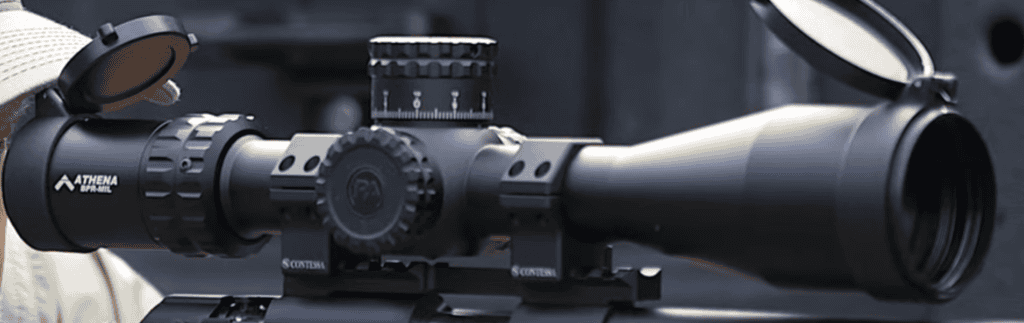
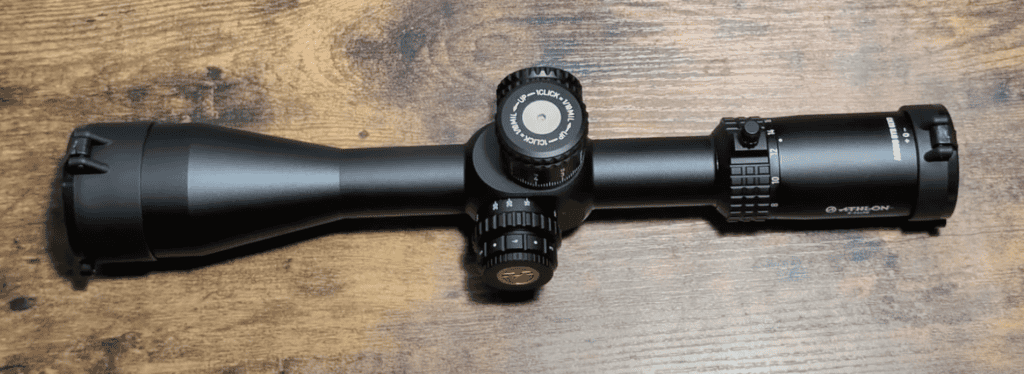
Athlon Argos BTR Gen 3 6-24×50
For shooters who built a 6.5 Grendel AR specifically to punch steel at distance, the Athlon’s 6-24x range and FFP MIL reticle with zero stop deliver PRS-oriented features at a budget price. The Gen 3 redesigned turrets track well. Just know the 6x minimum and 3.3 inches of eye relief make this a scope you live with at the bench, not one you hunt with comfortably.
Years of Grendel Builds and the Scopes That Failed Them
I built my first 6.5 Grendel AR back in 2019, and the cartridge has been a fixture on my bench and in the field since. Between hog and predator work on central Texas ranches and steel matches where I push the platform past 600 yards, the Grendel has eaten through more barrels and scope combinations than any other rifle I own. What keeps pulling me back to it is the efficiency: a cartridge that runs in an AR-15 receiver and still carries real energy to ranges where 5.56 shooters are just making noise.
That experience across three different Grendel uppers and probably a dozen different optics is the foundation for everything in this guide. The ACSS Apollo reticle exists because enough Grendel shooters demanded a purpose-built solution, and my time with both generic and caliber-specific reticles is exactly why I rank it the way I do.
Side-by-Side Specs
For the Grendel specifically, pay attention to the magnification floor and eye relief numbers. A scope that starts at 6x can feel claustrophobic on an AR you might also carry for deer at close range, and anything under 3.5 inches of eye relief on a semi-auto starts getting punchy with follow-up shots.
| Features | Primary Arms SLx 3-18×50 Gen 2 | Vortex Diamondback Tactical 4-16×44 | Leupold VX-3HD 4.5-14×40 | Athlon Argos BTR Gen 3 6-24×50 |
|---|---|---|---|---|
| Magnification | 3-18x | 4-16x | 4.5-14x | 6-24x |
| Objective Diameter | 50 mm | 44 mm | 40 mm | 50 mm |
| Eye Relief | 3.5 inches | 3.8 inches | 4.4″ – 3.6″ | 3.3 inches |
| Weight | 32.04 oz | 23.1 oz | 13.4 oz | 30.3 oz |
| Length | 13.6 inches | 14.03 inches | 12.7 inches | 14.1 inches |
| Tube Size | 30 mm | 30 mm | 1 inch | 30 mm |
| Reticle | ACSS Apollo .308/6.5 Grendel (FFP) | EBR-2C (MRAD, FFP) | Duplex (SFP) | APRS11 FFP IR MIL |
| Field of View | 35.0 – 5.9 ft @ 100 yds | 26.9 – 6.7 ft @ 100 yds | 19.9 – 7.4 ft @ 100 yds | 16.7 – 4.5 ft @ 100 yds |
| Turret Style | Exposed, Easy Stop® Return to Zero | Tall Exposed Tactical | CDS-ZL Elevation / Capped Windage | Exposed, Precision True Zero Stop |
| Adjustment Range | 100 MOA Elevation / 64 MOA Windage | 25 MRAD Elevation / 25 MRAD Windage | 70 MOA Elevation / 70 MOA Windage | 18 MRAD Elevation / 18 MRAD Windage |
| Click Value | 0.1 MIL | 0.1 MRAD | 1/4 MOA | 0.1 MIL |
| Parallax Adjustment | 10 yds to infinity | 20 yds to infinity | Fixed | 10 yds to infinity |
| Illumination | Yes, 6 settings | No | No | Yes, 11 settings |
The 4 Best 6.5 Grendel Scopes
1. Primary Arms SLx 3-18×50 Gen 2 – Best Overall
A Reticle That Already Knows Your Cartridge
I mounted the Primary Arms on my Aero Precision M4E1 first, partly because I was most curious about it and partly because I wanted to see if the ACSS Apollo reticle lived up to Primary Arms’ claim that you can zero at 100 yards and engage targets out to 1,000 without touching a turret. The concept behind the Apollo .308/6.5 Grendel reticle is that the BDC holdovers are pre-calibrated to match the Grendel’s trajectory using common 123-grain loads. Each hash mark corresponds to a specific distance, and the wind holds are built into the same tree pattern. With the Hornady Black 123gr ELD Match I was running, the holdovers tracked the reticle’s markings out past 400 yards with impressive consistency. At 500 I needed a small correction, which is expected since no BDC reticle can be perfect for every barrel length and load, but we are talking a fraction of a MIL. That kind of out-of-the-box usability is something none of the other three scopes in this test could offer.
What the Gen 2 Rebuild Actually Fixed
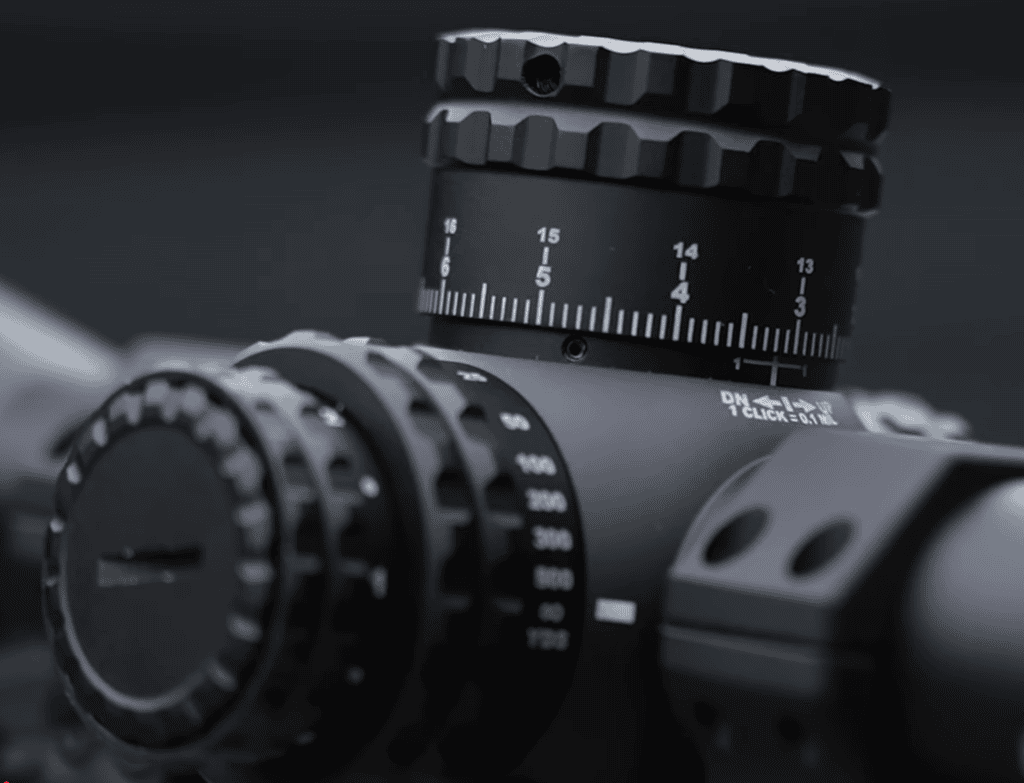
Primary Arms completely rebuilt this scope from the ground up for the Gen 2. The original SLx 3-18×50 was already a solid mid-tier optic, but the Gen 2 turrets are a different animal. They are larger, more tactile, and the clicks are distinctly audible even outdoors with hearing protection on. The Easy Stop zero-return system worked reliably through every testing session; I could crank elevation all the way up and spin back down until the turret stopped, landing on zero every time. The magnification ring now accepts dovetail throw levers, which I appreciated for quick transitions during strings where I started at 3x scanning for steel and then cranked up for a 450-yard plate. Glass clarity improved noticeably over the Gen 1 as well. Edge-to-edge sharpness at 12x and below was clean, and even at 18x the center remained crisp, though the outer edges did soften somewhat.
Where Two Pounds Gets Heavy
The elephant on the rail: this scope weighs over two pounds. Mounted on an already front-heavy 20-inch AR, the balance shifts forward in a way I noticed during offhand strings and especially carrying the rifle between positions. The Leupold in this test weighs less than half as much, and even the Vortex saves about nine ounces. For a bench or bipod setup, the weight is irrelevant. For anyone hauling a Grendel AR through brush or up a hillside after hogs, it’s a real consideration. I found myself running a heavier buttstock to counterbalance, which just added more total weight.
The Chevron Works Better Than I Expected
The ACSS Apollo uses a fine chevron as its primary aiming point rather than a traditional crosshair intersection. I was skeptical initially. The tip of the chevron turned out to be precise enough for group shooting at 100 yards while remaining visible against dark backgrounds in fading light, especially with the illumination turned on. Six brightness settings is fewer than the Athlon’s eleven, but the illumination only lights the chevron and central elements rather than the entire reticle tree, which kept the image uncluttered. The ranging ladder built into the upper portion of the reticle worked well for estimating distance on the few occasions I used it, though I typically run a rangefinder anyway. Being in the first focal plane means all those subtensions stay accurate regardless of magnification setting, which matters when you’re hunting at 6x and suddenly need to make a 350-yard shot without dialing.
What Held It Back (and Why It Still Won)
Beyond the weight, my only gripe is that the eye relief at 3.5 inches can feel a touch tight during rapid fire with the Grendel’s mild but present recoil impulse. The Vortex gives you an extra 0.3 inches, which sounds trivial on paper but translates to slightly faster target reacquisition during follow-up shots. Still, neither issue outweighs what this scope delivers for the Grendel specifically: a reticle that already speaks the cartridge’s ballistic language, an FFP platform that keeps those holdovers honest at any magnification, exposed turrets with a functional zero stop, and illumination for low-light use. No other scope in this test checks all of those boxes simultaneously.
The numbers tell the same story the range sessions did.
Field Test Data
| Test Parameter | Result |
|---|---|
| 100-Yard Group (5-shot, bipod) | 0.78 MOA (Hornady Black 123gr ELD Match) |
| Holdover Accuracy at 400 Yards | Within 0.2 MIL of ACSS Apollo marks |
| Turret Return to Zero (after 10 MIL dialed) | Returned to zero; no measurable shift |
| Low-Light Target ID (30 min after sunset) | Steel silhouette identifiable at 300 yards with illumination on |
| Recoil Endurance (80+ rounds, single session) | Zero maintained; no turret creep observed |
Tested with: Aero Precision M4E1 (20″ Grendel Hunter barrel) | Hornady Black 123gr ELD Match
Pros and Cons
PROS
|
CONS
|
Performance Ratings
For a detailed breakdown of how each category is scored, see my full testing and review methodology.
The Primary Arms SLx 3-18×50 Gen 2 is the scope I’d put on a Grendel build and leave there. The ACSS Apollo reticle eliminates most of the mental overhead that comes with shooting a cartridge at extended range, and the Gen 2 improvements make the turrets and glass genuinely competitive with scopes priced well above it. You pay for that capability in weight, but if you can live with two pounds of optic on your rail, nothing else in this test serves the 6.5 Grendel as completely.
2. Vortex Diamondback Tactical 4-16×44 – Best Budget Option
The Scope That Gets Out of Your Way
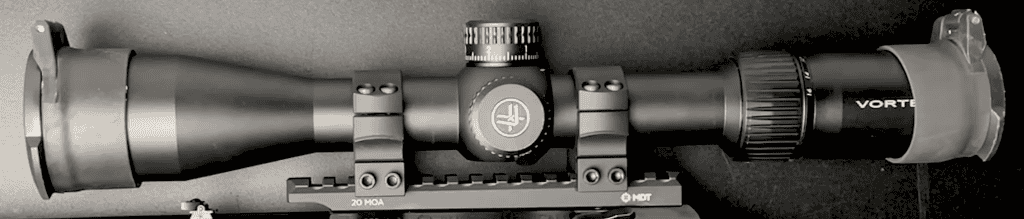
Vortex designed the Diamondback Tactical by stripping away extras rather than stacking features on top of each other, and the result feels intentional rather than cheap. No illumination. No zero stop. No throw lever. What you get instead is a scope where the turrets and glass quality received the full budget allocation. I mounted this one second after the Primary Arms, and the immediate difference was feel. The Diamondback sat on the Aero Precision with noticeably better balance; saving about nine ounces off the front of an AR changes how the rifle handles in your hands. Getting behind the eyepiece was faster and more forgiving too, with that extra eye relief providing a natural, comfortable sight picture without needing to fuss with head position.
Clicks That Actually Mean Something at This Price
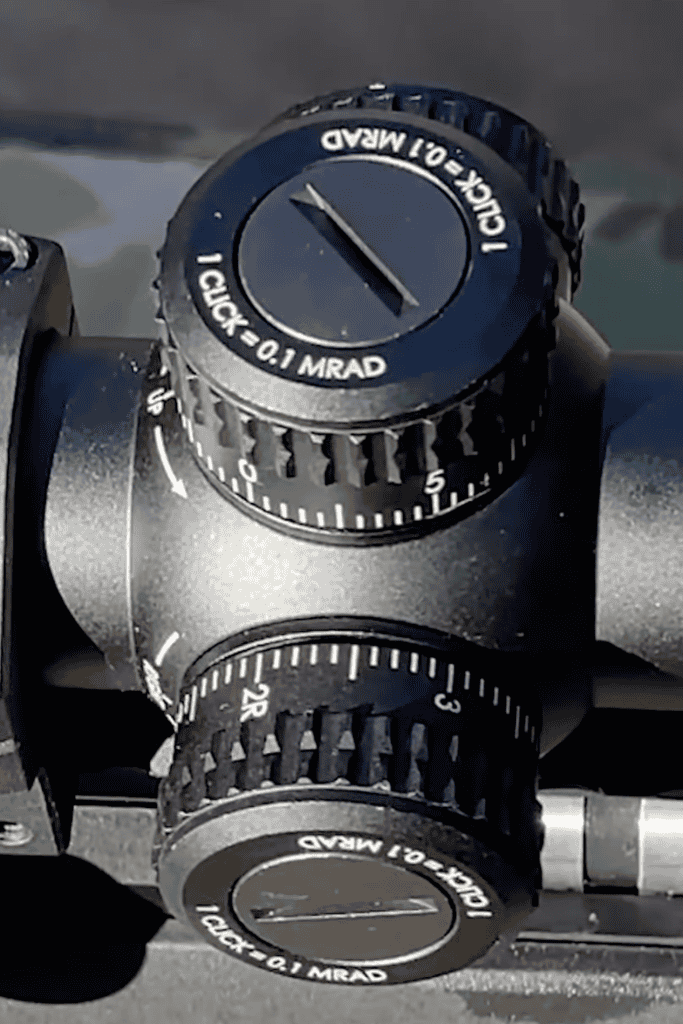
The turrets were the surprise. For a scope at this price tier, the clicks have genuine definition. Each 0.1 MRAD adjustment was distinct enough to count by feel alone during strings where I didn’t want to break my position to look at the dial. Vortex uses the phrase “tracking performance previously unheard of at this price point” in their marketing, and for once that claim held up during a box test and a tall target test I ran at 100 yards. Return to zero stayed within what I’d call negligible, well under a quarter MRAD after cranking the turrets through their full travel. The absence of a zero stop is the trade-off you accept. On a couple of occasions during longer sessions I lost track of which revolution I was on, which wouldn’t happen with the Primary Arms or Athlon. For a Grendel that you’re mostly using inside 500 yards and not constantly dialing between positions, it’s manageable. For competition work with frequent elevation changes, it would get annoying.
The EBR-2C Does Its Job Without Overthinking It
The EBR-2C is a Christmas tree reticle with MRAD-based hash marks for holdover and wind. It’s not caliber-specific like the ACSS Apollo, so you need to know (or have charted) your actual drops and wind values for the Grendel rather than relying on pre-printed references. That’s more work, but it also means the reticle stays useful if you move this scope to a different rifle in a different caliber later. Vortex’s extra-low dispersion glass produces a clear, contrasty image through most of the magnification range. I noticed some edge softening above 14x, similar to what I saw with the Primary Arms at its upper end, though the Vortex felt slightly sharper in the center at comparable magnifications. Low-light performance was decent for a 44mm objective; I could identify steel targets at 250 yards about 20 minutes after sunset, which is roughly what I’d expect from this glass tier.
A $300 Scope That Doesn’t Act Like One
The Diamondback Tactical isn’t trying to be the Primary Arms. It doesn’t have the caliber-specific reticle, the zero stop, or the illumination. What it does have is the best combination of tracking, glass quality, and weight management I’ve seen at this price point for an FFP scope. Someone building their first Grendel on a budget, or someone who already knows their dope and prefers a clean MRAD reticle to a caliber-tuned BDC, will find nothing to complain about here. The Vortex VIP warranty, which is unconditional and lifetime with no receipt required, also removes a layer of risk that matters when you’re spending money carefully.
Here’s what the range sessions produced.
Field Test Data
| Test Parameter | Result |
|---|---|
| 100-Yard Group (5-shot, bipod) | 0.82 MOA (Hornady Black 123gr ELD Match) |
| Box Test Return to Zero (10 MRAD square) | Within 0.2 MRAD of original zero |
| Turret Consistency (tall target, 5 MRAD increments) | Tracked within 1% through full travel |
| Low-Light Target ID (20 min after sunset) | 8-inch steel identifiable at 250 yards without illumination |
Tested with: Aero Precision M4E1 (20″ Grendel Hunter barrel) | Hornady Black 123gr ELD Match
Pros and Cons
PROS
|
CONS
|
Performance Ratings
Scoring reflects performance relative to price tier. My full methodology is explained here.
If someone handed me a fresh Grendel build and told me to scope it for under $350, the Diamondback Tactical would be on the rail before they finished the sentence. It doesn’t try to do everything, and the things it does do, it does well enough that the price tag feels like a mistake in the buyer’s favor.
3. Leupold VX-3HD 4.5-14×40 – Best for Weight-Conscious Hunters
Picking It Up Changes the Conversation
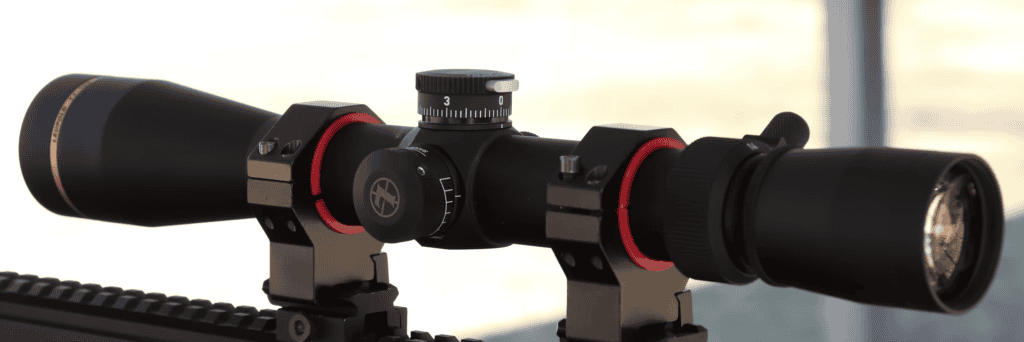
I almost didn’t include the VX-3HD in this test because on paper it looks wrong for the Grendel: SFP Duplex reticle, fixed parallax, no illumination, 1-inch tube. But the moment I pulled it out of the box and felt how absurdly light it was, the logic changed. At 13.4 ounces, this scope weighs less than a loaded Grendel magazine. Mounting it on the Aero Precision M4E1 transformed the rifle’s handling. The front-heavy balance I’d been fighting with the Primary Arms and the other heavier scopes disappeared. For anyone building a Grendel AR as a walking rifle, something to sling over your shoulder for miles of hog hunting or predator calls, that difference matters more than any feature list.
Leupold Glass Earns Its Price the Hard Way
One late-February morning, I was at the range well before sunrise getting set up, and the VX-3HD was the scope on the rifle. As shooting light arrived, I could resolve target details through the Leupold a solid fifteen minutes before the Primary Arms or Vortex would have given me the same image. That’s the Twilight Max light management system doing what Leupold advertises. The HD glass produces a bright, high-contrast image with minimal chromatic aberration, and the 40mm objective is enough to deliver that performance without the bulk of a 50mm bell. For a deer hunter sitting in a blind at dawn or taking a last-light shot on a hog, this is the scope in the test that extends your shooting day at both ends.
The CDS-ZL Asks You to Choose a Lane
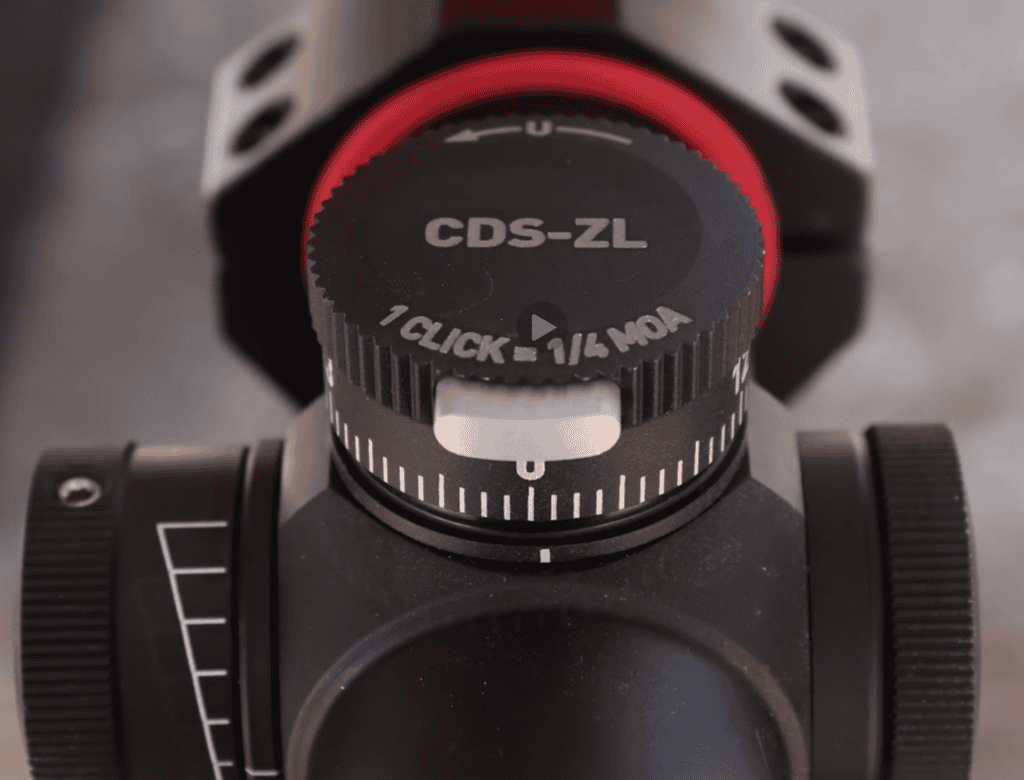
The CDS-ZL (Custom Dial System, Zero Lock) elevation turret is a hunting-specific feature. You zero the scope, set the zero lock with its spring-loaded button, and from that point you press the button and dial up for distance, then return to zero by spinning back until it stops. The clicks are crisp, audible ¼ MOA adjustments. Leupold even sells custom turret caps engraved with yardage markings for specific loads, so you could have one made for 123-grain Grendel loads and just dial to the yardage rather than counting clicks. It’s elegant for hunting. It’s also completely unsuited for anything else. The Duplex reticle gives you a clean crosshair and nothing more: no hash marks, no holdover references, no wind compensation points. The windage turret is capped, discouraging field adjustments. This scope wants you to dial your elevation, hold for wind instinctively, and take one well-placed shot. That philosophy works for deer and hog hunting. It does not work for PRS matches or ringing steel at variable distances.
Fixed Parallax and What It Costs You
The fixed parallax is set at a factory distance, and you can’t adjust it. At 100 yards on the bench, I noticed a very slight parallax shift when I moved my head behind the scope. While minor enough to be irrelevant for typical hunting accuracy, it felt like a missing tool compared to the three other scopes in this test, all of which feature adjustable parallax. At extended ranges like 400 yards, this inability to adjust for parallax limits absolute precision, reminding you that this is a dedicated hunting optic rather than a target scope. But if you’re using the Grendel for anything from 50-yard hog drives to 500-yard prairie dog shooting, adjustable parallax gives you precision the fixed setting can’t match. The 1-inch tube also limits internal adjustment range compared to the 30mm tubes on the other three scopes, though at 70 MOA of elevation travel, it’s adequate for the Grendel’s needs out to hunting distances.
A Premium Price for a Specific Shooter
At roughly twice the price of the Vortex and nearly fifty percent more than the Primary Arms, the VX-3HD asks you to pay a premium for weight savings and glass quality while accepting significant feature limitations. That trade-off only makes sense if light weight and low-light clarity are your top priorities, and if your Grendel lives in a hunting role rather than splitting time between the field and the range. I respect what this scope does inside its intended lane; it just happens to be a narrow lane for a cartridge that most people use more broadly.
Field Test Data
| Test Parameter | Result |
|---|---|
| 100-Yard Group (5-shot, bipod) | 0.85 MOA (Hornady Black 123gr ELD Match) |
| CDS-ZL Return to Zero (after dialing 15 MOA) | Returned to zero; zero lock engaged cleanly |
| Low-Light Target ID (35 min after sunset) | Deer-sized silhouette identifiable at 300 yards; best in test |
| Parallax Shift at 100 Yards (fixed parallax) | Approximately 0.3 MOA shift with 1-inch head movement |
| Weight on Rifle (scoped, no magazine) | Lightest setup by 9+ ounces vs. next closest (Vortex) |
Tested with: Aero Precision M4E1 (20″ Grendel Hunter barrel) | Hornady Black 123gr ELD Match
Pros and Cons
PROS
|
CONS
|
Performance Ratings
Category scores are weighted toward what matters for this caliber’s typical use. My full approach is detailed in my testing methodology.
The VX-3HD is a beautiful piece of glass that does one thing extraordinarily well: it sits on a hunting rifle without you noticing it’s there, and when you look through it at dawn, you see things other scopes miss. For the hunter who built a Grendel to carry, not to compete with, that combination of weight and clarity is worth paying for. For everyone else, the feature gap is too wide at this price.
4. Athlon Argos BTR Gen 3 6-24×50 – Best for Dedicated Target Shooting
Built for a Bench, Mounted on an AR
The Athlon Argos BTR series made its name as a budget gateway into PRS-style shooting, and the Gen 3 continues that tradition with redesigned turrets and a refined magnification ring. Mounting it on the Aero Precision Grendel build felt a bit like putting road tires on a trail truck. It worked, and worked well for certain things, but the mismatch between the scope’s priorities and the rifle’s nature showed up quickly. At 30.3 ounces with that 50mm bell sitting forward on the rail, the already front-heavy AR got worse. Paired with the Primary Arms at a similar weight, the difference was that the PA’s magnification range let me use it at 3x for close work; the Athlon starts at 6x and never lets you forget it.
Gen 3 Turrets Addressed the Right Problem
Previous Argos BTR generations had a consistent complaint from users: the turrets felt mushy, with clicks that lacked definition. Athlon listened. The Gen 3 turrets are noticeably improved, with crisper clicks and more positive engagement. I ran a tall target test in 5 MIL increments and the adjustments tracked consistently, landing close to where they should across the full elevation range. The Precision True Zero Stop snapped cleanly back to my established zero, and I never lost confidence in where the turret was sitting. Compared to the Vortex Diamondback Tactical, which lacks any zero stop, the Athlon’s system is a significant advantage for shooters who are constantly dialing between distances. And at roughly the same price point, that feature alone could tip a purchasing decision for someone focused on target work.
Glass Quality Has a Ceiling
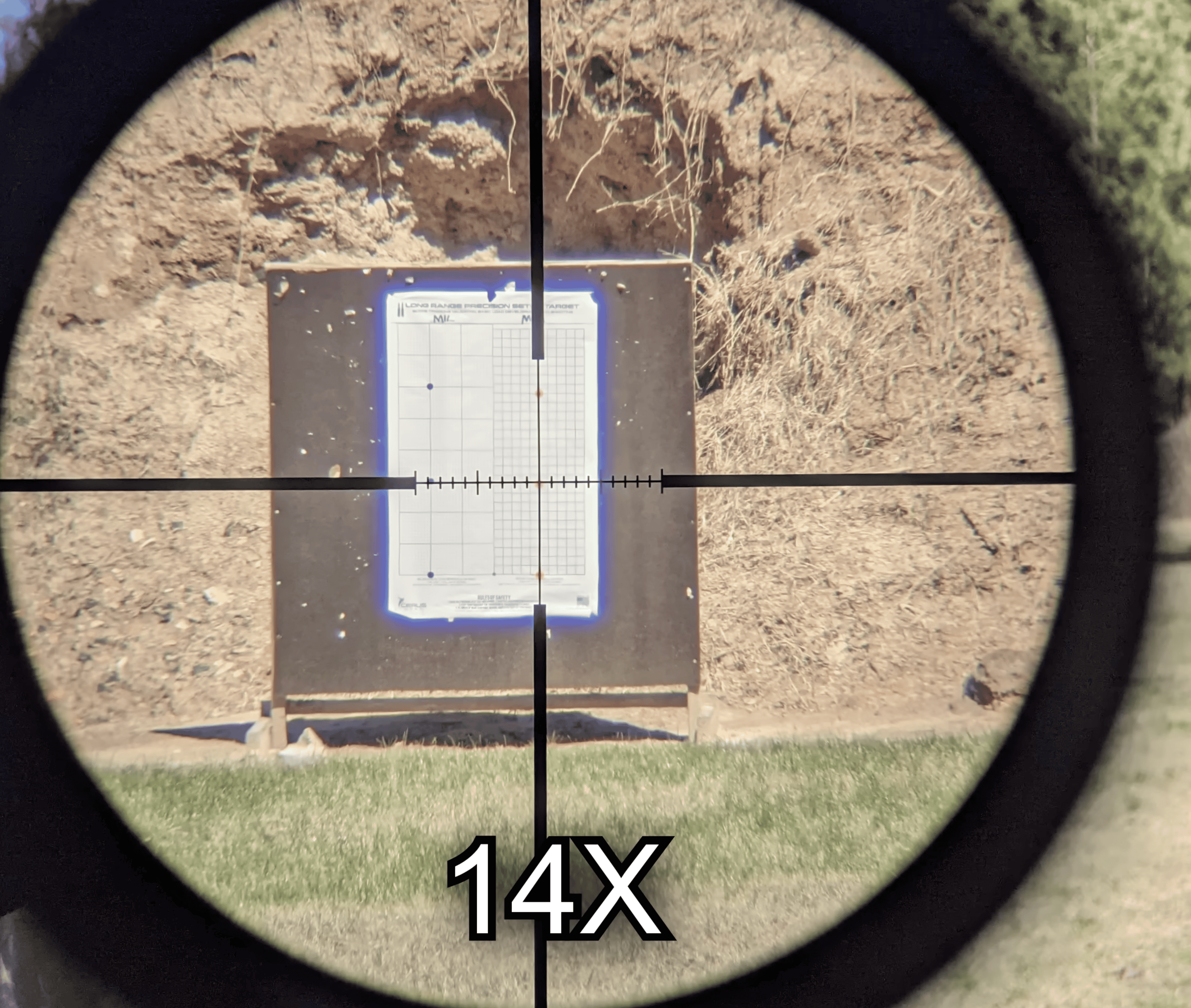
From 6x through about 18x, the Athlon delivered a clear, contrasty image that competed respectably with the Vortex and Primary Arms. The APRS11 FFP MIL reticle is a Christmas tree design featuring 0.2 MIL hash marks running the entire 10 MIL span of the cross lines, providing fine detail that is readable enough for precise holdovers at distance.
Past 20x, though, the image started to wash out, losing color saturation and contrast in a way the other scopes in this test didn’t face at their respective upper ends. It’s a known characteristic of the Argos BTR line, and the Gen 3 improved it somewhat, but on an overcast March afternoon I found myself backing down to 18x for a cleaner picture rather than pushing toward 24x. For steel at 500-600 yards, 18x is plenty. But if you’re buying a 6-24x scope specifically because you want usable magnification past 20, temper expectations.
3.3 Inches Feels Like Less Than It Sounds
Eye relief is where the Athlon separates from the pack in the wrong direction. At 3.3 inches, it’s the tightest of the four scopes I tested, and on a semi-auto platform that recoils with each shot, the margin for error on cheek weld gets slim. The Grendel’s recoil is mild, certainly nothing compared to what a .308 AR-10 delivers, but during rapid five-shot strings I caught myself instinctively pulling my head back slightly after each shot to reestablish the sight picture. The Leupold’s 4.4 inches at low power and even the Vortex’s 3.8 feel meaningfully more relaxed behind the eyepiece. Coupled with a narrow eyebox at high magnification that demanded precise head positioning, the Athlon required more discipline to shoot quickly than any other scope in this test.
The Right Scope on the Wrong Platform
None of this means the Athlon is a bad scope. On a bolt-action Grendel (they exist, and Howa makes a nice one) or a heavy-barreled AR that lives on a bipod at the range, the Gen 3 Argos BTR would be a compelling choice. The 6-24x range, FFP MIL reticle, zero stop, illumination, and adjustable parallax at this price represent genuine value. But the 6.5 Grendel’s identity is rooted in the AR-15 platform, and most Grendel shooters use their rifles for more than just punching paper. The 6x minimum, tight eye relief, and weight penalty narrow the Athlon’s usefulness on the platform where this cartridge lives. It finished fourth in this test not because of what it does poorly, but because of what it can’t do at all.
Field Test Data
| Test Parameter | Result |
|---|---|
| 100-Yard Group (5-shot, bipod) | 0.80 MOA (Hornady Black 123gr ELD Match) |
| Tall Target Test (5 MIL increments to 15 MIL) | Tracked within 1.5% of true; consistent return to zero |
| Image Quality Threshold | Clear through 18x; noticeable contrast loss above 20x on overcast days |
| Zero Stop Reliability (20 return-to-zero cycles) | Consistent engagement; no drift from established zero |
| Eye Relief Comfort (rapid 5-shot strings) | Required deliberate cheek weld discipline; occasional sight picture loss between shots |
Tested with: Aero Precision M4E1 (20″ Grendel Hunter barrel) | Hornady Black 123gr ELD Match
Pros and Cons
PROS
|
CONS
|
Performance Ratings
I score scopes relative to their intended use and price tier. Full methodology here.
If the Grendel in your safe is a heavy-barrel target gun that only sees a bipod and a bench, the Athlon Gen 3 punches well above its price and deserves serious consideration. But for the typical Grendel owner running a 16 or 20-inch AR that hunts, shoots steel, and occasionally competes, the platform mismatch between this scope and that rifle costs it a recommendation I’d otherwise want to give.
The Athlon would also be perfect for the .300 Winchester Magnum.
300 Rounds Through a 20-Inch Grendel in Late February
All four scopes were tested on the same rifle: an Aero Precision M4E1 lower paired with a Grendel Hunter 20-inch stainless barrel upper, 1:8 twist, running a rifle-length gas system. Ammunition was Hornady Black 123gr ELD Match throughout, roughly 320 rounds total split across the four optics (between 65 and 95 rounds per scope depending on how many strings a particular test required). Testing took place over three weekends in late February and early March at a 600-yard facility outside Waco, Central Texas. Conditions ranged from clear and calm to overcast with 8-12 mph crosswinds; temperatures stayed between the mid-40s and low 60s.
Each scope was zeroed at 100 yards, run through a box test or tall target test to confirm tracking, then shot at steel from 200 to 550 yards. I confirmed zero before and after each session. Two scopes I tested and rejected before settling on these four: a Burris Veracity 3-15×44, which ran out of internal elevation travel trying to reach 500 yards with the Grendel’s steep trajectory (a problem a flatter cartridge wouldn’t have exposed), and a Bushnell Nitro 6-24×50, which shared the Athlon’s 6x minimum magnification limitation on an AR that also needed to work inside 100 yards but lacked the Athlon’s zero stop and Gen 3 turret refinement to justify keeping it in the test. Full details on how I test and evaluate scopes are available here.
The Barrel-Length Trap and Other Grendel Scope Mistakes
Trusting BDC Holdovers Without Checking Your Barrel Length
Most BDC reticles and turret calibrations are built around 24-inch test barrel velocities. The majority of Grendel ARs ship with 16 or 18-inch barrels, which shave 100-150 fps off that baseline. On a cartridge that’s already running moderate velocities, that difference shifts your holdovers meaningfully past 300 yards. I’ve seen shooters miss cleanly at 400 because they trusted reticle marks calibrated to a barrel length they don’t own. Verify your actual muzzle velocity with a chronograph before relying on any BDC reference.
Transferring 6.5 Creedmoor Scope Advice to the Grendel
The “6.5” in both names creates a false equivalence. The Creedmoor runs 400+ fps faster and shoots substantially flatter, which means the 4-16x scopes and elevation ranges that work perfectly for Creedmoor builds often leave Grendel shooters short. The Grendel needs more elevation travel per yard of distance and benefits more from caliber-specific reticles. Scope recommendations that work for one don’t automatically transfer to the other.
Forgetting the Grendel’s Drop When Choosing Adjustment Range
Shooters accustomed to 5.56 are often surprised by how much more elevation the Grendel requires at distance. If your scope’s total elevation travel is limited (the Athlon’s 18 MRAD is the tightest in this test), you can run out of adjustment well before the cartridge runs out of energy. A 20 MOA canted base helps, but it’s better to start with adequate internal travel than to engineer around a limitation.
What Grendel Shooters Actually Ask About Scopes
Can I use a .308 BDC reticle on my 6.5 Grendel?
Some BDC reticles designed for .308 are close enough to be usable with the Grendel’s 123-grain loads, since the trajectories share a rough similarity out to about 400 yards. The ACSS Apollo .308/6.5 Grendel reticle on the Primary Arms is specifically calibrated for both. Generic .308 BDCs will drift from the Grendel’s actual drops past 300 yards, so always verify with your specific load.
Is 14x enough magnification for the 6.5 Grendel?
For hunting, absolutely. For target shooting past 500 yards, you’ll want more. The Grendel is effective past 600 yards, and identifying hits on steel or spotting groups at that distance benefits from 16-18x. The Leupold’s 14x top end was sufficient for hunting-distance work but felt limiting during target sessions at the far end of the range.
Do I need FFP for the Grendel?
If you use holdovers at varying magnifications, yes. The Grendel gets used at everything from 100 to 600+ yards, often in the same session. An FFP reticle keeps subtensions accurate whether you’re at 6x scanning for hogs or cranked to 18x placing a shot at 500. SFP works fine if you only hold over at max magnification.
Matching the Scope to How You Actually Use the Grendel
If you hunt and shoot steel with the same rifle, the Primary Arms SLx 3-18×50 Gen 2 is the straightforward answer. The caliber-specific reticle, FFP platform, and 3-18x range cover both uses without compromise. Accept the weight.
If you’re building on a tight budget, the Vortex Diamondback Tactical gives you a proven FFP platform with solid tracking at the lowest price in this test. You’ll build your own dope card instead of relying on pre-calibrated holdovers, but the scope won’t hold you back. The Athlon offers more features at a similar price, but only if you never need your Grendel below 100 yards.
If you carry more than you shoot, and your Grendel is a dedicated hunting rifle, the Leupold VX-3HD’s 13.4-ounce weight and superior low-light glass justify the premium. Don’t buy it expecting to compete with it.
Disclosure
All four scopes were purchased through standard retail channels for this test; the Hornady Black ammunition was bought in bulk from the same lot to maintain consistency across all four evaluations. This site earns affiliate commissions from the retailer links above, which help fund future testing.
The Scope Balance That Makes the 6.5 Grendel Work
The 6.5 Grendel asks something unusual of a scope: cover a cartridge that’s designed to punch past 600 yards from a platform that also gets used at 50. After running these four optics through 320 rounds across three weekends, the Primary Arms SLx 3-18×50 Gen 2 with the ACSS Apollo reticle proved to be the most complete solution. The caliber-specific holdovers worked the way they’re supposed to, the Gen 2 turrets tracked reliably, and the 3-18x magnification range actually spans the Grendel’s full working envelope. That combination at a mid-tier price is the reason it took the top spot.
The Vortex Diamondback Tactical deserves attention from anyone watching their budget. It gives up the caliber-specific reticle and zero stop but delivers tracking precision and a warranty that remove the financial risk of a $300 scope purchase. The Leupold VX-3HD occupies a narrow but legitimate space for the hunter who prioritizes ounces above features; at 13.4 ounces, nothing else in this class comes close. And the Athlon Argos BTR Gen 3, despite finishing fourth, is a genuinely capable precision optic that would rank higher on a bolt-action platform where its 6x minimum and tight eye relief wouldn’t penalize it.
What I keep coming back to is that the Grendel’s scope needs to match the cartridge’s ambition. Alexander Arms designed this round to make the AR-15 reach further without giving up what makes the platform useful up close. The scope you choose should respect both halves of that equation. If you’re exploring other caliber options, my guides to the best scopes for 6.5 Creedmoor and the best scopes for .308 Winchester cover the Grendel’s bigger cousins. Whichever direction you go, match the glass to how you actually shoot, not how the marketing copy says you should.
Mike Fellon is the founder of ScopesReviews and an optics specialist with 15+ years in precision shooting. A former Bass Pro Shops firearms advisor and NRA-certified instructor, he’s hands-tested 200+ rifle scopes across hunting and competition. Based in Dallas, Texas.