
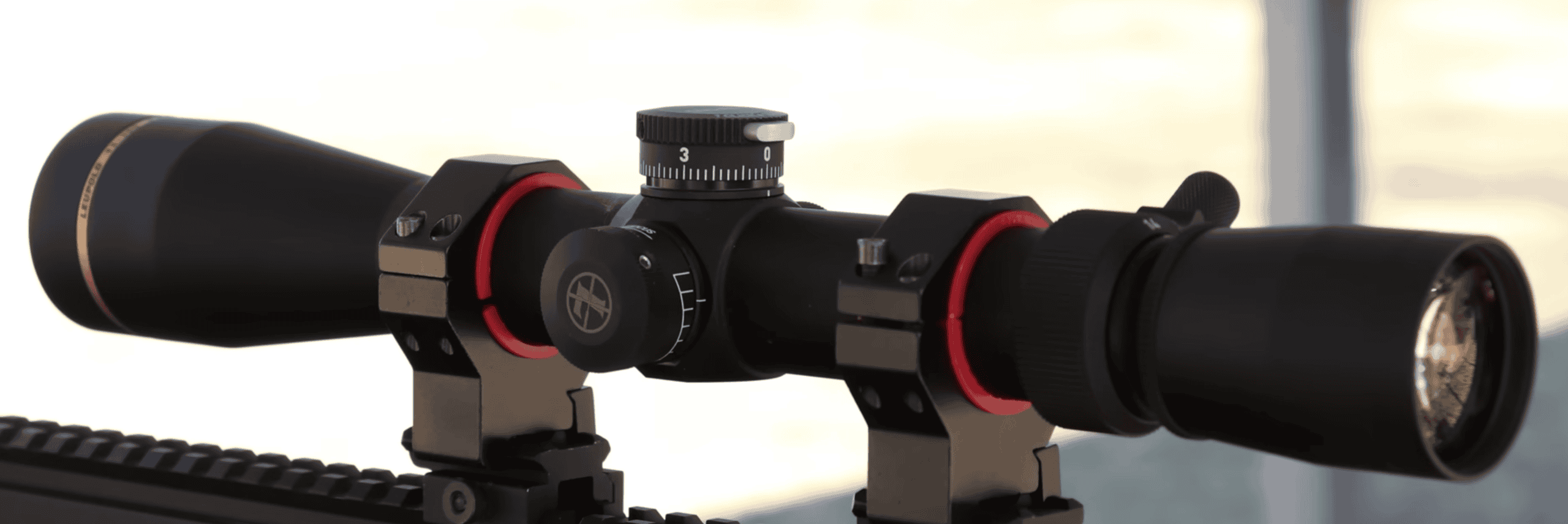
A laser-etched yardage dial and a plain Duplex crosshair are a strange pair to find on the same scope. One of them assumes you will dial for distance. The other gives you nothing to hold with if you don’t. Sorting out which half of that arrangement actually runs the show is what pulled this scope onto my rifle.
The VX-3HD sits above Leupold’s entry line and below the VX-5HD, and this configuration is the classic light mountain build: 1 inch tube, 13.4 oz, fixed parallax, no illumination, capped windage, and the CDS-ZL ZeroLock elevation dial that Leupold will etch to your ballistics. That last feature is the pitch. Everything about the rest of the scope is deliberately plain.
What I wanted settled was whether the dialing system is as capable as the 70 MOA spec implies, and whether the HD designation on the glass is a real step or a sticker. Five weeks of carrying and a little under two hundred rounds gave me a clear answer on both, and they land in opposite directions. The optical and carry package is the strongest part of this scope by a distance. The elevation system is narrower than the spec sheet suggests, and it locks you into one load in a way nobody mentions at purchase.
Leupold VX-3HD 4.5-14×40 Review
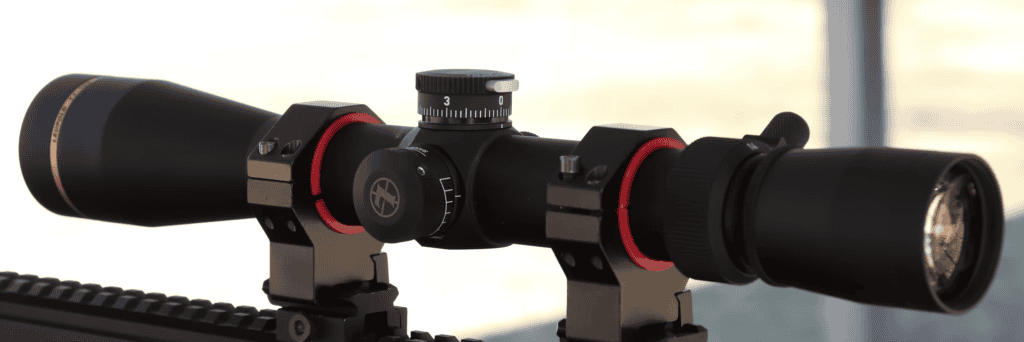
My rifle for this was a Bergara B-14 Ridge in 7mm Remington Magnum, fed Hornady Precision Hunter 162gr ELD-X, and the country was high open canyon rim with shale benches and long sightlines across the draws. Late fall into early winter, cold mornings, plenty of wind in the afternoons.
Ordering the dial was the real setup work
Leupold etches your elevation dial from ballistic data you submit, which means the scope cannot do its main trick until you feed it numbers. The box for the 162gr ELD-X lists 2940 fps. Over ten shots through the Bergara’s barrel on a 41 degree morning, my chronograph averaged 2891. Fifty fps is not much of a gap on paper, and I am not going to put a drop figure on what it costs, because that depends on the rest of the ballistic inputs. What it does mean is plain enough: a dial etched for 2940 fps is not the dial for a rifle shooting 2891, and the yardage marks drift out of agreement with the bullet the further out you shoot. Had I mailed in the box figure, the marks would ask for less elevation than the rifle actually needs at the longer distances the dial exists to cover, and I would have had no way to know except by missing.
Ninety yards on a rimrock bench, with parallax set at 150
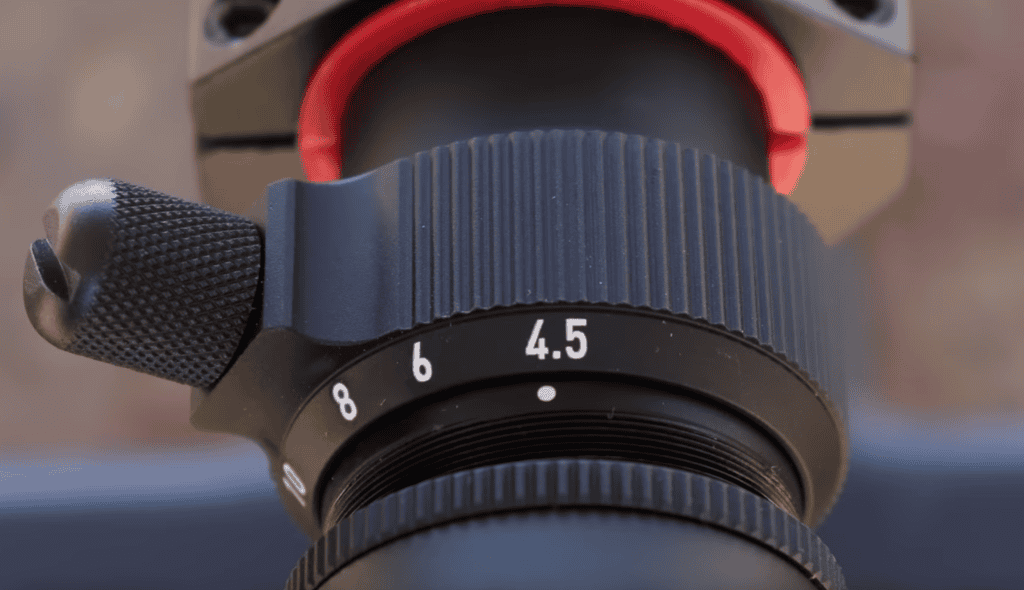
First real sit, 27 degrees, wind still down. A pair of does came out under a ledge close in, maybe ninety yards, and I dropped to 4.5x out of habit. Before I did anything else I deliberately rolled my head an inch across the eyebox to see what the fixed parallax was doing at that distance. The crosshair drifted a hair, call it half an inch of apparent movement on the near doe’s shoulder. That is nothing on a chest cavity and it is worth knowing about, because at 14x on a small target inside a hundred yards the same drift is a real error and there is no adjustment ring to kill it.
The numbers ran out before the erector did
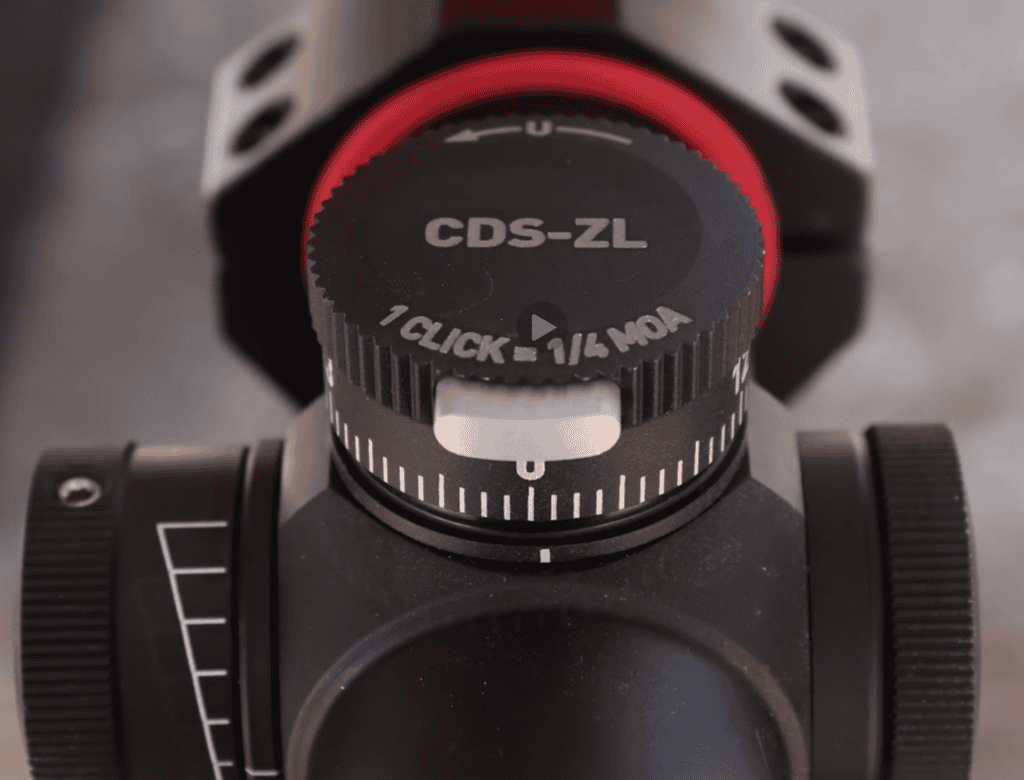
Fourth week, steel plates on a bench across a draw. I came up through the etched yardages, hit the last mark, and the dial simply had no more numbers on it while the erector still had travel underneath. That engraved span is one revolution, 60 quarter-MOA clicks of the 70 MOA the scope carries. The turret keeps turning past it onto blank aluminum, so reaching the rest means counting quarter-MOA clicks beyond the top mark, and that is where the detents let me down. Cold hands, thin gloves, and I lost count twice and had to pull the rifle down and look at the dial. The ZeroLock button is genuinely good and my return to zero never wandered. Getting away from zero and knowing exactly where I was is the part that asked for concentration.
Twenty minutes past sunset on gray shale
The glass is the reason to want this scope. Working the far canyon wall as the sun went behind the ridge, with sidelight coming straight into the objective, the image stayed clean where every entry-tier scope I have run in that same light throws a milky wash across the upper third of the picture. Twenty-two minutes after sunset I could still read the crosshair against wet shale at 6x, which is later than a 40 mm objective has any obligation to manage. Contrast at 14x holds up in flat gray light too, and that combination in a 13.4 oz package is not common.
The Duplex leaves you no second option
Second focal plane, thick posts, thin center, no hash marks anywhere. For a hunter who dials, that is a clean sight picture and I like it. The problem is redundancy. Wind is the shot correction you make most often in canyon country, and the Duplex offers no reference to hold against, while the windage is under a cap and stiff enough that I would not be unscrewing it with an animal standing there. So wind gets held on guesswork off the post tips. Elevation gets dialed or it does not happen. Change ammunition and your etched dial becomes decoration until you buy another one.
Why a Light 7mm Magnum in Canyon Country Was the Honest Test for This Configuration
The Bergara B-14 Ridge got picked because it is the rifle this scope’s buyer owns: a mid-tier bolt gun light enough to carry all day, chambered in something with reach. The 7mm Remington Magnum gave me recoil worth checking a 13.4 oz scope against, and I stayed on Hornady Precision Hunter 162gr ELD-X for all 190 rounds precisely because the CDS dial makes single-load discipline mandatory rather than optional. Testing ran five weeks across open canyon rim and shale benches, 27 degrees at dawn to mid 50s by afternoon, with two days of sleet that let me confirm the seals. Zero got verified with three-shot confirmations at 100 yards at the start of every session, and I ran a box test on the turrets twice.
Where my judgment on this one comes from is the dial-fitting side, not the shooting. I have set up enough CDS scopes to know that the failure almost never happens in the optic. It happens on the order form. The last one I helped spec was a 6.5 Creedmoor whose owner submitted advertised velocity from a 24 inch test barrel while shooting a 20 inch hunting barrel, and his dial read short past the middle distances by an amount he blamed on the scope for a full season. That is the pattern I watch for now, and it is why the chronograph session above came before the shooting rather than after. A custom dial is a ballistics product wearing a turret’s clothes, and it inherits every error in the data you hand it.
The zero checks, the box tests, and the sleet days all follow the same process I use on every optic, laid out in my full testing methodology.
Performance Ratings
Each category is scored out of 10 against what this scope’s tier and stated purpose promise, not against optics costing several times more, and every note names the observation the number rests on. The eight categories average 7.75. Overall lands at 7.6 rather than that raw average because the CDS dial is the feature this model is sold on, so its indexing limits weigh more here than an equal-weight average would give them.
Field Test Data
| Test Parameter | Result |
|---|---|
| Zero retention, 190 rounds | No measurable shift; session-opening 3-shot confirmations stayed within 0.4 in of original impact at 100 yds |
| Box test tracking (10 MOA per leg, run twice) | Returned to zero within one click both times; no measured lost motion |
| Group size, prone off bipod, 100 yds | Best 5-shot 0.9 in; average across nine groups 1.2 in |
| Indexed elevation available on the CDS dial | 15 MOA, one engraved revolution, 60 clicks at 1/4 MOA; the balance of the 70 MOA total reachable only by counting unmarked clicks past the top mark |
| Parallax error, 90 yds at 4.5x, deliberate 1 in head shift | Roughly 0.5 in of apparent crosshair movement on target |
| Usable reticle definition after sunset | 22 minutes at 6x against wet shale; 11 minutes at 14x |
| Chronographed velocity vs. box figure | 2891 fps measured average against 2940 fps advertised, 10-shot string at 41 degrees |
Tested with: Bergara B-14 Ridge | 7mm Remington Magnum | Hornady Precision Hunter 162gr ELD-X
The Buyer This Scope Actually Serves Shoots One Load and Never Changes It
Buy it if you carry your rifle further than you shoot it. A mountain or canyon hunter counting ounces gets glass here that holds contrast at last light and in glare, in a 13.4 oz body that leaves a light bolt gun still feeling light. That is the whole argument for this configuration and it is a strong one.
Buy it if you have settled on one factory load and intend to stay there. The CDS dial rewards commitment. Chronograph your rifle, submit real numbers, and you get an elevation dial marked in yardage that works under time pressure better than any reticle ladder I have used. That system is genuinely excellent within the 15 MOA it indexes.
Skip it if you rotate ammunition, or shoot more than one rifle with the same scope. Every load change means either a new etched dial or reverting to the standard MOA dial and doing your own math, which discards the reason you bought this turret.
Skip it if your shooting regularly reaches past what one revolution covers. Counting unmarked quarter-MOA clicks with cold fingers on soft detents is not a system, and this scope’s soft detents make it worse than most. Buyers who dial to the far edge of a cartridge’s range want indexed travel and a reticle with holdover references, and this configuration has neither.
Skip it if you hunt heavy timber at first light. No illumination, and a black Duplex against black brush at 4.5x is a compromise a lit reticle solves outright.
Common Questions About the Leupold VX-3HD 4.5-14×40
Does the custom CDS dial come with the scope, or do I order it separately?
It ships with a standard 1/4 MOA dial. Leupold covers one laser-etched custom dial when you register the scope and submit your ballistic data. You have to request it, and you should chronograph your rifle before you do.
What happens if I switch ammunition after my dial is etched?
Every yardage mark on it becomes wrong. Additional dials are purchasable, so a second load means a second dial and swapping them at the rifle. Otherwise you refit the standard MOA dial and calculate corrections yourself.
Is the full 70 MOA of elevation really usable with a one-revolution dial?
The travel exists and the erector uses it, but only 15 MOA sits under the engraved dial, one revolution at 60 clicks. Reaching beyond that means counting unmarked clicks. A canted base repositions the travel you already have relative to your zero; it creates no additional turret travel and does not lengthen the engraved span.
Should I get this 1 inch version or the 30 mm side focus model instead?
The 1 inch build is lighter and simpler with parallax fixed. The 30 mm side focus version adds an adjustable parallax ring and a Wind-Plex reticle at a weight penalty. If you shoot high magnification inside 150 yards or want wind references, that one fits better.
Is the elevation dial stiff out of the box, and does that indicate a problem?
Mine turned firmly for the first few dozen adjustments and then loosened to normal. The windage screw under the cap stayed stiff throughout, which is common on this line and not a defect, but it does mean windage is a bench adjustment rather than a field one.
Disclosure
This review may contain affiliate links, which means I could earn a commission if you purchase through them at no additional cost to you. Affiliate relationships have no bearing on my findings; the ratings and criticisms above come from the 190 rounds and five weeks described here.
One Load, One Revolution, and a Very Good Mountain Scope
Buy this scope for the glass and the weight. In flat gray light and in glare, contrast held where cheaper optics wash out, and it does that from 13.4 oz and 12.7 inches, which is the combination light-rifle hunters actually pay for. Tracking was faultless across a magnum’s worth of recoil, and the ZeroLock returned to zero every time I asked it to.
The elevation system is where the price stops looking generous. A one-revolution dial indexes 15 MOA of the 70 MOA available, the detents are too soft to count past the last mark in cold weather, and the etched dial is only correct for the exact load you submitted, using velocity you should measure yourself rather than read off a box. Pair that with a Duplex that offers no holdover or wind reference and you have a scope with one method of correcting elevation and no backup.
For a hunter with a settled load who shoots inside what one turn covers, that is a fine trade and I would run this scope again on a light bolt gun tomorrow. For anyone who dials further, changes ammunition, or wants a lit reticle for dark timber, the money buys more capability elsewhere.
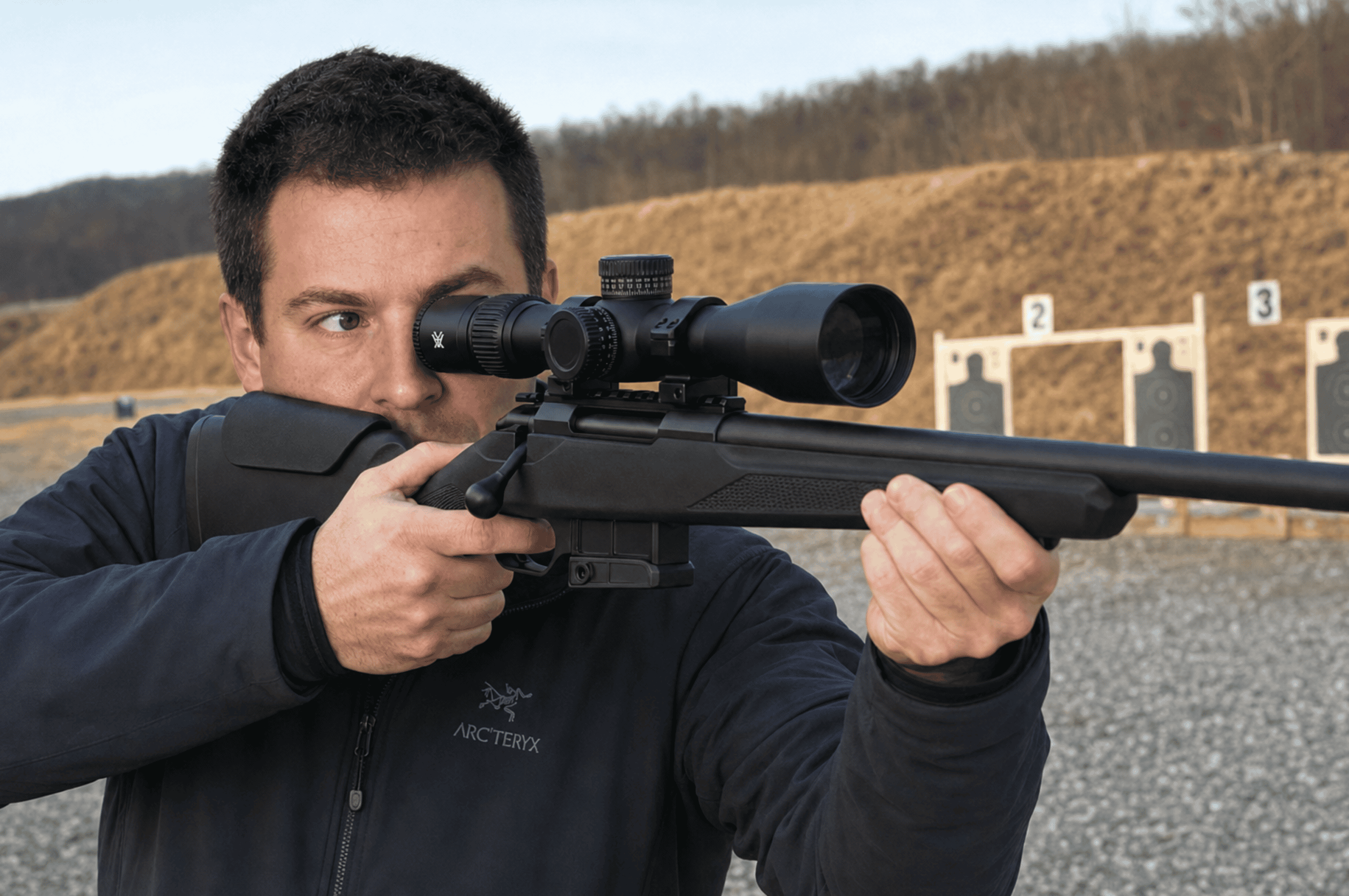
Mike Fellon is the founder of ScopesReviews and an optics specialist with 15+ years in precision shooting. A former Bass Pro Shops firearms advisor and NRA-certified instructor, he’s hands-tested 200+ rifle scopes across hunting and competition. Based in Dallas, Texas.